

Dear Fellow Mortals,
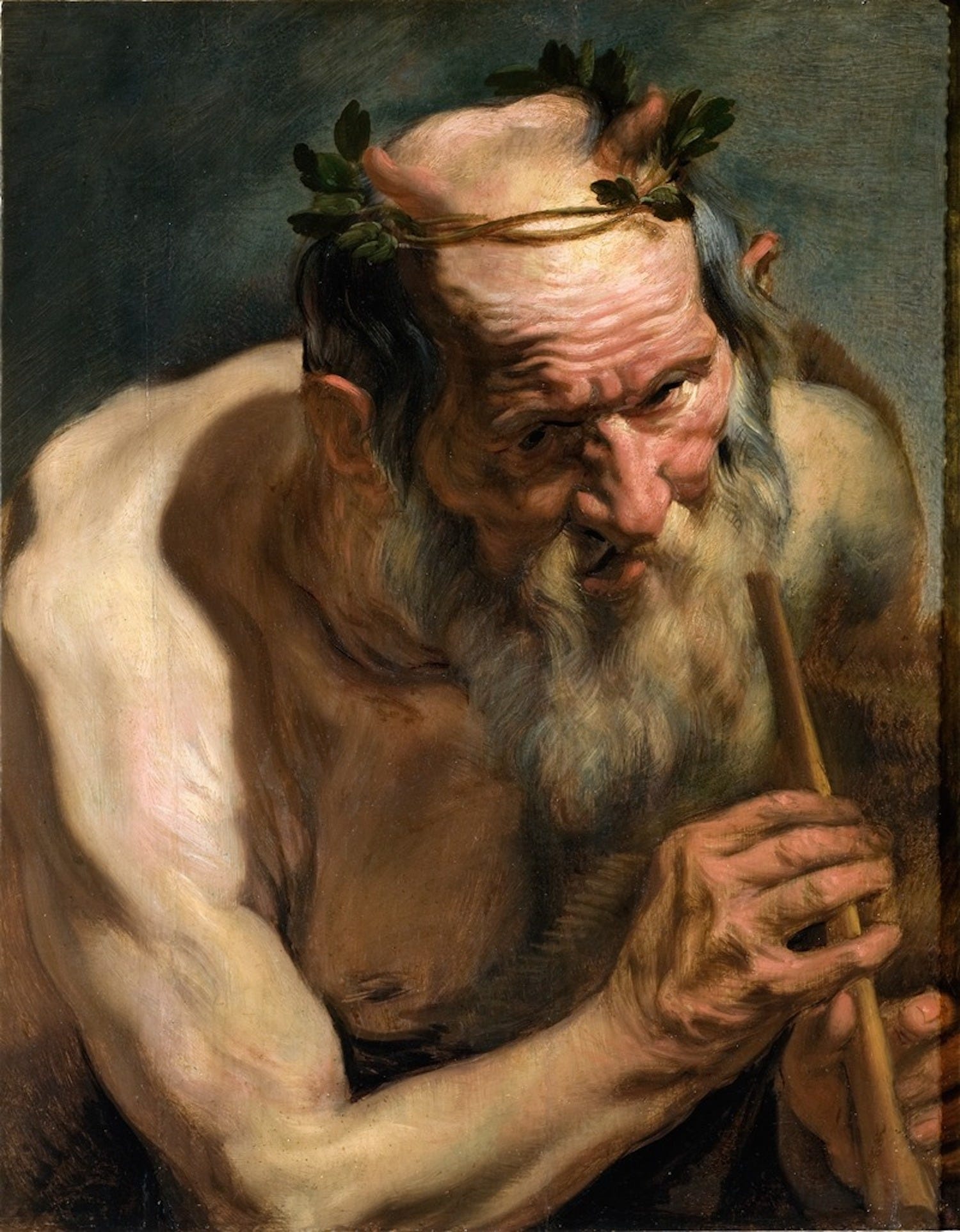
Around 300 BCE, Epicurus purchased a garden outside the walls of Athens. There he gathered his friends and students around him and lived a life of conscious simplicity. He said he'd be satisfied with bread and water. But in a letter preserved by Diogenes Laertius, he asks for a little pot of cheese so that he might enjoy a more luxurious meal when he wishes.
It’s an almost comically mundane detail, and that’s where this chapter starts. Epicurus, a philosopher whose name became synonymous with indulgence, made pleasure the center of his philosophy. What he wanted to avoid was more subtle. “He still wanted something unnecessary. He just didn't want to have to need it.”
The School for Mortals
Limits, tensions, and choices shape a finite life. The School for Mortals invites us to learn how to live well within them. It’s available exclusively to members: If you’re not already one, you can become a member, join at 50% off, or, if cost is a barrier, accept a complimentary membership.
“You Cannot Want Everything”
Early Audio from Think Like a Mortal
Epicurus noticed that some desires come with a built-in stopping point and others don’t. Food, rest, and shelter eventually satisfy us. Wealth, status, and admiration can go on forever, because nothing inside them announces that we’ve had enough. “Hunger eventually says enough. Status rarely does.”
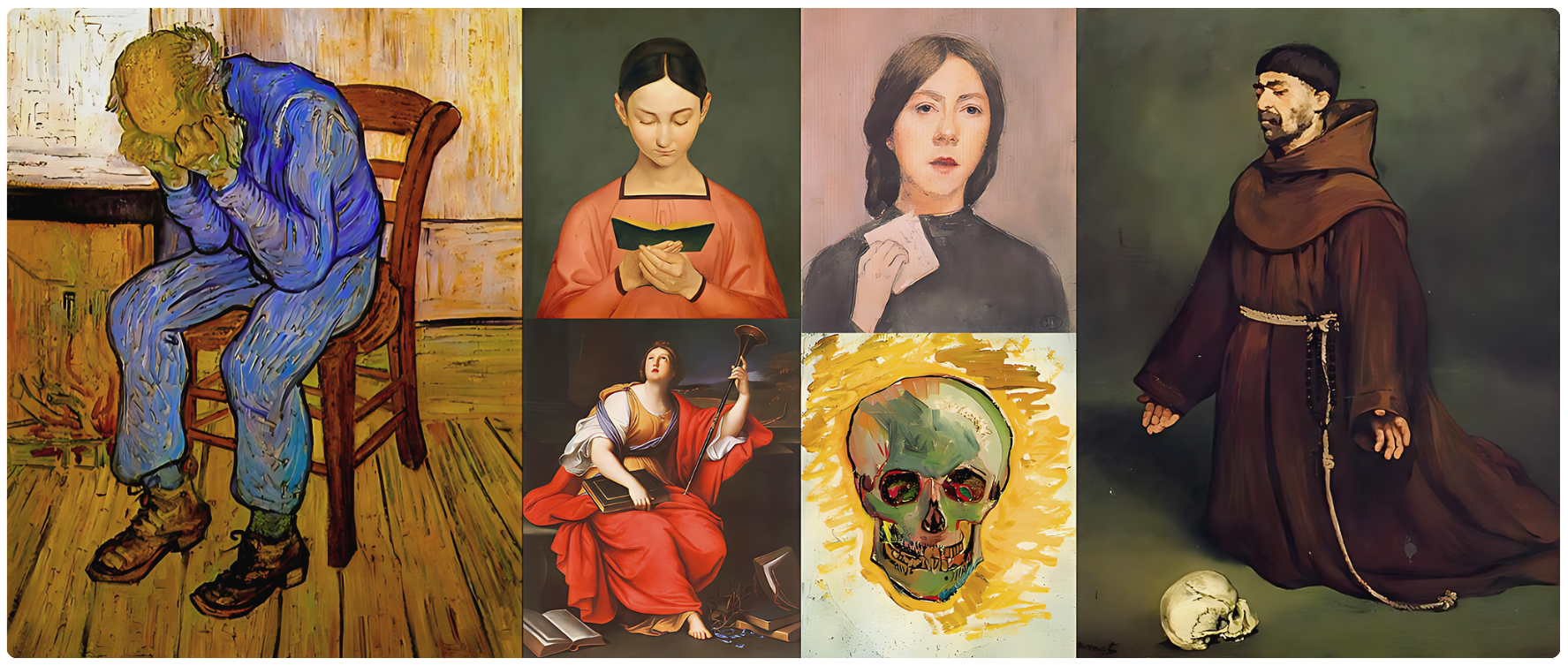
Our trouble usually comes from wanting more good things than one life can hold: meaningful work, close friends, a family, travel, health, a beautiful home, and time to enjoy all of it. Each desire looks reasonable on its own. But every serious desire also makes a claim on our time, attention, money, and the other lives we give up to pursue it.
The person who wants to become a physician wants, whether explicitly or not, years of training. The person who wants extraordinary wealth may also be choosing the hours, risks, mobility, and pressure required to pursue it. The person who wants public recognition may discover that recognition creates demands of its own. Desire shows us the object more clearly than the bill. Mortality makes us read both.
Where do our desires come from in the first place?


