

Dear Readers,
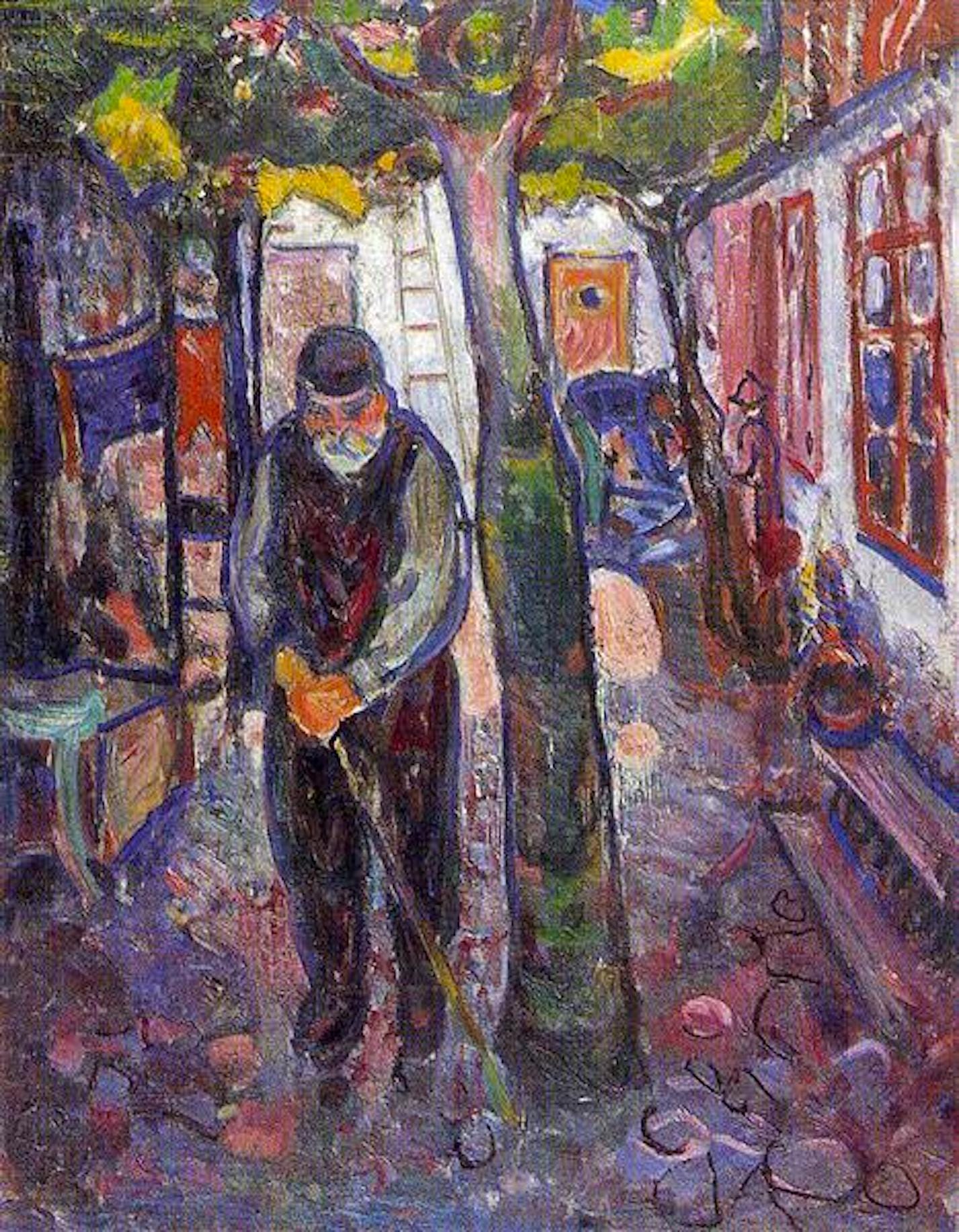
As some of you may have noticed, it has been a little over a week since my last post. My apologies, the latest hurricane has caused an extended power outage due to extensive damage to our local community. I hope to be back to a regular cadence of meditations in the coming days.
Be wise, be well, and stay safe.
J.W.
🖼️ Monday Muse
The Monday Muse is a weekly collection of reminders, insights, and maxims on the art of living. The term “muse” has two meanings: (1) a state of deep thought; and (2) a source of inspiration. May the following (in a small way) be a source of contemplation, insight, and wisdom to live your highest good.
📌 Perennial Reminder(s)
The professor and researcher Stephen Joseph, PhD, on the art of transformation and trauma:
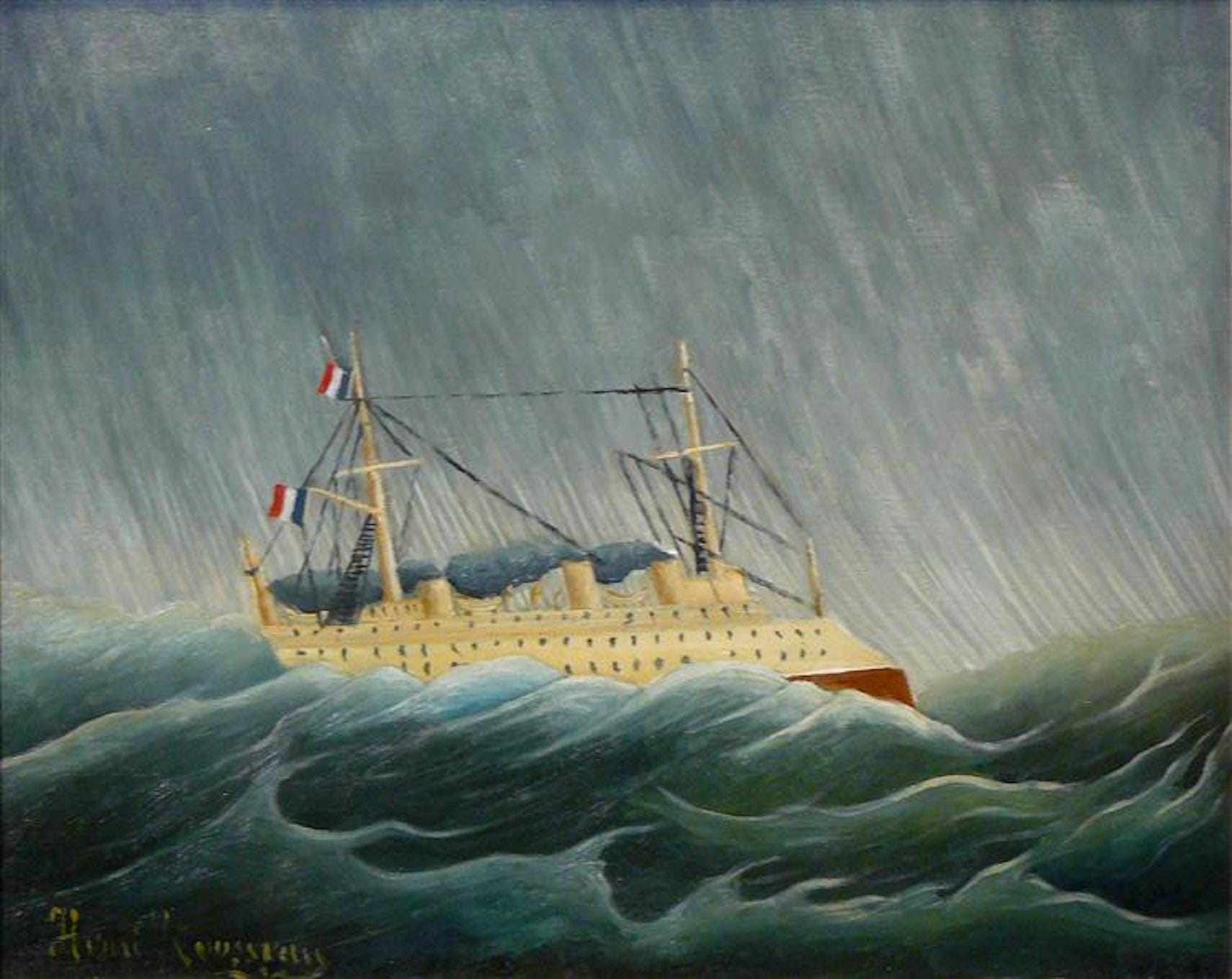
The idea of transformation through trauma goes against the grain of all that is written about the devastating and destructive effects of trauma. Psychological studies have shown that adverse life-events are often the trigger for depression, anxiety, or post-traumatic stress. What, then, are we to make of the stories of people who have encountered a life-threatening illness, a harrowing natural disaster, even a man-made horror, and then go on to tell of how it was a transformational turning point in their lives? Such stories seem to point to the truth of Nietzsche’s dictum: ‘What doesn’t kill us makes us stronger.’ […]
Source: What Doesn’t Kill Us
📜 Perennial Maxim(s)
The Stoic philosopher Epictetus on philosophy and hardships:
What should a philosopher say, then, in the face of each of the hardships of life? ‘It is for this that I’ve been training myself; it is for this that I was practicing.’
Follow Us: Instagram | Youtube
💡 Perennial Insight(s)
The author and Jungian analyst James Hollis, PhD, on navigating depression:
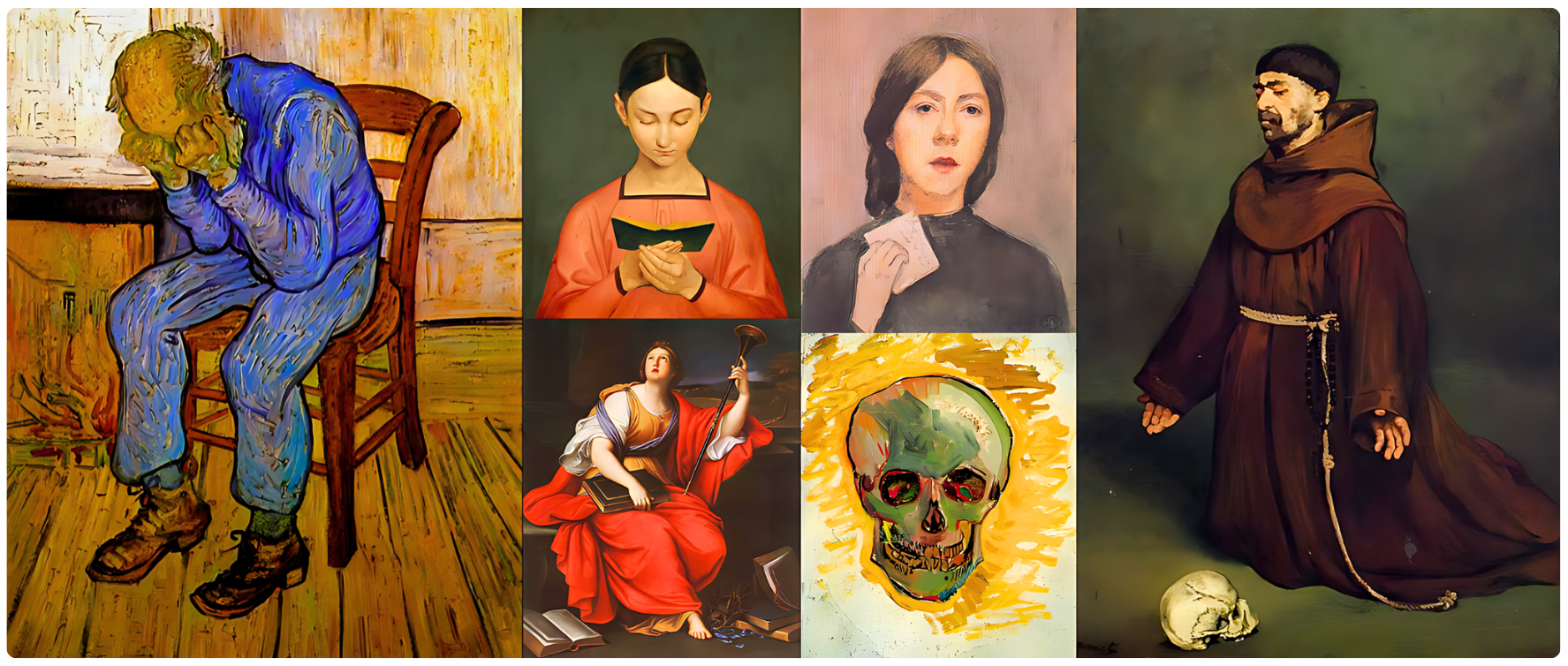
It takes great courage to value depression, to respect it, not to try to medicate it away or distract ourselves from its misery. Down there is potential meaning, split off from consciousness but alive, dynamic. Although a depression robs conscious life of energy, that energy is not gone. It is in the underworld, and like Orpheus who goes down there to confront, perhaps to charm, the lower powers, so we too are obliged to go down into the depression and find our soul’s greatest treasure. … In every case, one has to ask the fundamental question, what is the meaning of my depression? The well with no bottom always has a bottom, but we must swim down there to see it. […]
Source: Swamplands of the Soul
—
Thank you for reading; I hope you found something useful.
Until next time, be wise and be well,
J.W. Bertolotti
P.S. If you’re interested in becoming a member but cannot afford it, feel free to request a complimentary membership or use this discount link.