

Greetings Readers!
Here is the sixth volume of our series — Letters to a Young Seeker (Catch up on previous volumes: Don’t Forget to Live, Break Bread with the Dead, Live an Examined Life, Carry the Fire, and The Art of Optimism).
***Consider becoming a paid member for full access to this series, Sundays with Seneca, The Wisdom of Art, and other benefits. If you cannot afford it, feel free to request a complimentary membership or use this discount link.

Dear Fellow Traveler,
It’s interesting to think about how unique we all are. Truly one of nearly eight billion people. Yet, at the same time, we are the same. We are all mortals.
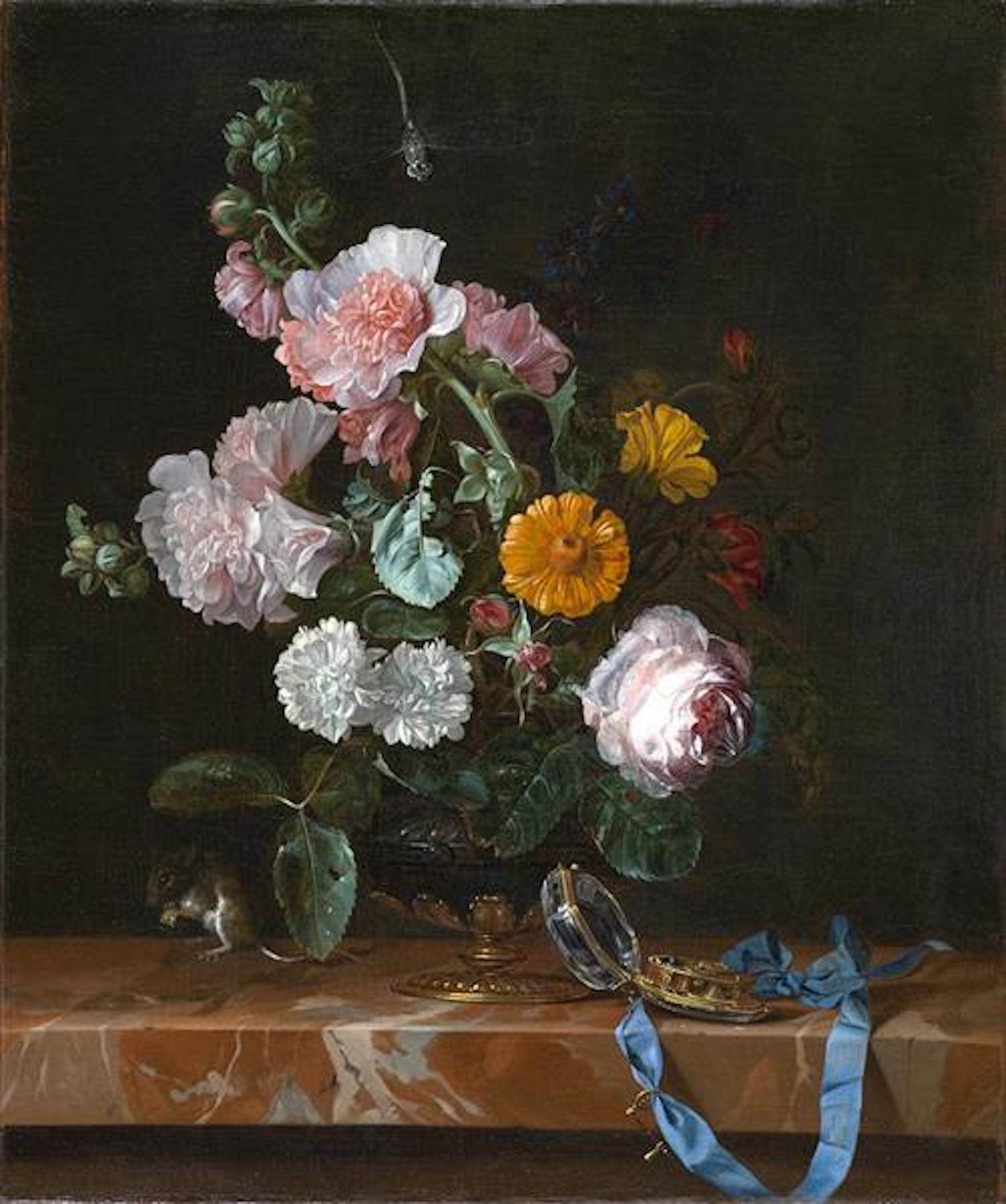
For this reason, philosophical and spiritual traditions alike have spent significant time writing and contemplating about death. The maxim, “Think as a Mortal,” is one of the 147 ancient sayings inscribed upon a stone monument at Delphi. These reflections and emphasis on mortality could seem grim today for some. But similar to other maxims, like “Know thyself” or “This too shall pass,” these pithy words of wisdom help us accept life's eternal truths.
In this sense, the American philosopher Nic Bommarito (author of Seeing Clearly) writes, it’s a bit like when a therapist helps their patient work through unpleasant realities to better deal with them. As with the therapist, the point isn’t to dwell on upsetting or traumatic stuff but to face such facts responsibly—in the right way and with the right mindset.
Thinking like a mortal has much to do with remembering. The ancient practice of memento mori simply means remembering that death is inevitable. Some of the most straightforward Buddhist practices around death are simple reminders. In the Tibetan tradition, some will set their cup upside-down before bed, acknowledging that they may die in their sleep and not need the cup anymore. Then, when they wake up in the morning, they’ll turn it over again, lucky to get another day.
Did you feel lucky when you woke up this morning?
