


Remember to Live
Remember to Live is a 5-day course on the ancient art of memento mori. It explores how awareness of our mortality, within the constraints of time and attention, can teach us to live: stop postponing, be present, and welcome each day with gratitude. ***This course is available to Dying Every Day members.
The Present: There Is No Other Time
Remember to Live (Day 3 of 5)
Most of life does not announce itself as important.
It arrives as coffee before anyone else is awake, the drive to work, a conversation in the kitchen, a child calling from another room, the light changing on the wall in late afternoon. A meal is prepared and eaten. Someone familiar walks through the door. Another ordinary evening begins.
Because these moments repeat, they easily become background.
We save our attention for what seems unusual: the trip, the achievement, the crisis, the celebration, the thing we have been waiting for. Everything else becomes scenery we move through while thinking about something else.
But a finite life is made mostly of scenery.
If we are not careful, we can spend years waiting for life to become vivid while overlooking the fact that ordinary life has been carrying it all along.
Yesterday we considered the lives we cannot live. Today we turn toward the one that remains and ask a simpler question:
Are we actually here for it?
Nobody, of course, can attend fully to everything.
At this moment there are sounds you are ignoring, sensations you barely notice, objects within your field of vision that have effectively disappeared. This is not a defect. Human attention is selective because it has to be.
The difficulty is that our filters can become so habitual that important things disappear along with the trivial ones.
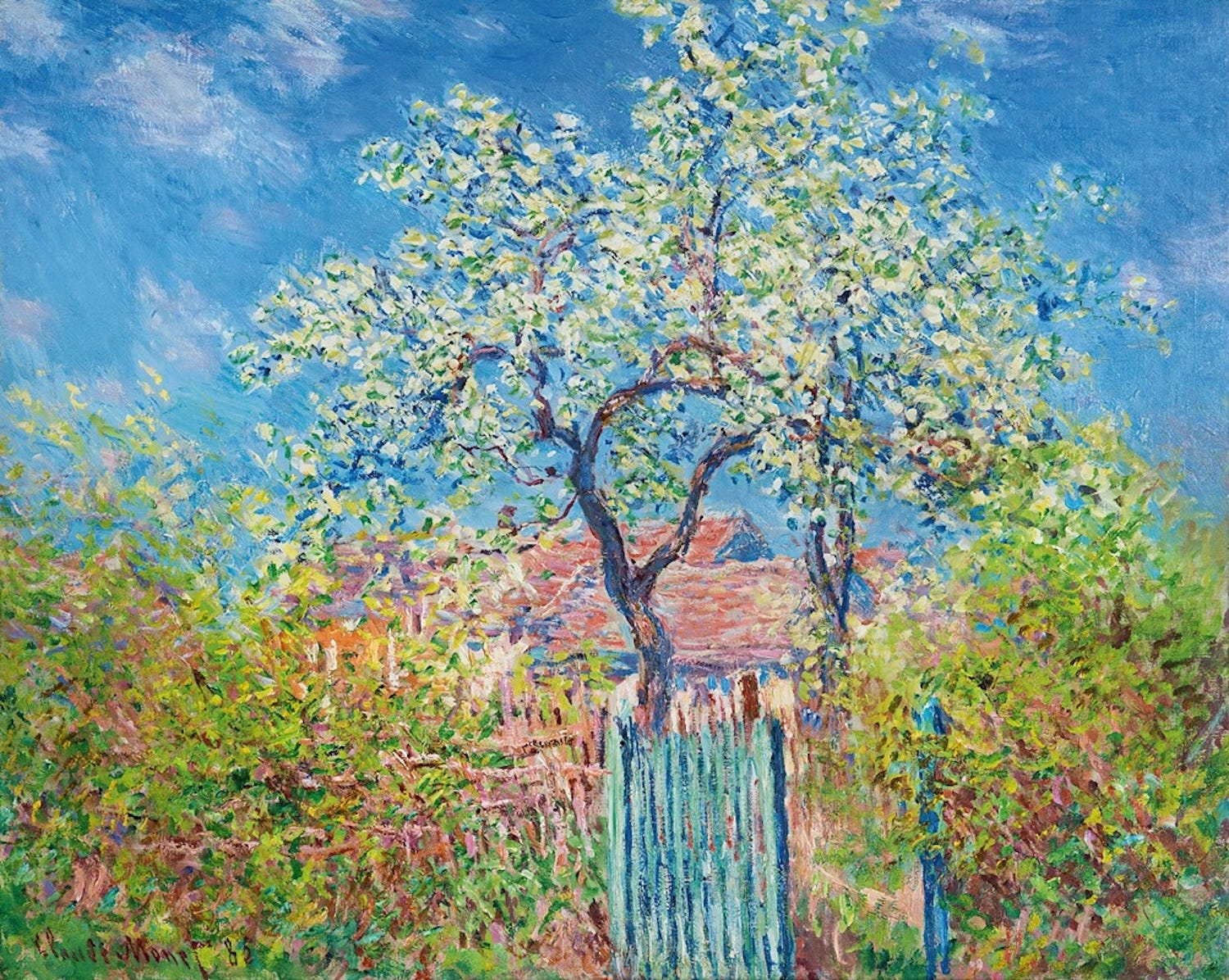
In 1223, a young Japanese monk named Dōgen, who would later found the Sōtō school of Zen in Japan, was studying at the monastery on Mount Tiantong in China. One hot afternoon, he came upon the monastery’s cook, an old man of sixty-eight, drying mushrooms in the sun, leaning on a bamboo staff, with no hat.
Dōgen wondered why a man his age didn't have someone younger do the task.
The cook replied:
“Others are not me.”
Dōgen pressed further. Why do the work now, in the heat? Why not wait?
The answer came back:
“What time should I wait for?”
Dōgen never forgot the encounter. He later included it in his Tenzo Kyōkun, usually translated as Instructions for the Cook.
It would be easy to turn the old cook into a spokesman for relentless effort: stop making excuses, do the work yourself, do it now.
But that would make his answer smaller than it is.
The cook was not waiting for life to become more suitable before participating in it. The mushrooms, the heat, the work, the particular hour: none of these stood between him and some more authentic practice.
They were where practice was happening.
There was no better moment hidden behind the ordinary one.
This helps explain why Dōgen could write so seriously about cooking.
Instructions for the Cook concerns the preparation of meals in a Zen monastery, yet its subject is larger than food. Dōgen asks the cook to handle ingredients carefully, to avoid treating ordinary ingredients carelessly while becoming excited by fine ones, and to bring the same seriousness of attention to the work regardless of what has been placed in front of him.
The task does not have to become extraordinary before it deserves care.
That is almost the reverse of how many of us learn to inhabit ordinary life.
We divide our days into things that matter and things we merely have to get through. There is meaningful work and necessary work, important time and waiting time, the experience we want and the chores surrounding it.
So we wash dishes while thinking about what comes next. We drive while listening because driving alone seems insufficient. We eat while reading. We walk while checking messages. We sit with someone while part of our attention remains available to whatever might appear on a screen.
The ordinary act rarely seems large enough to deserve the whole of us.
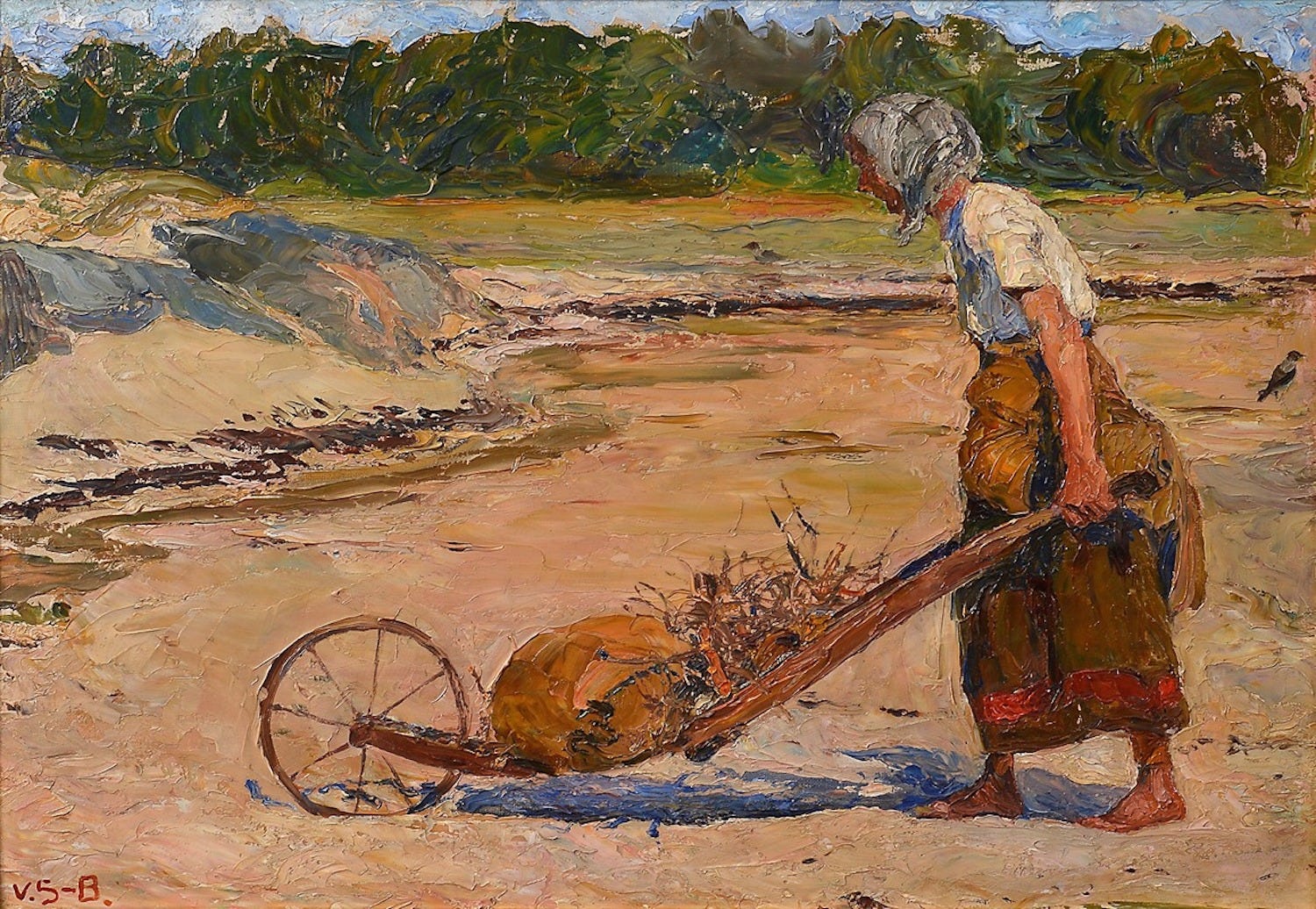
Over time, this division begins to feel normal. The body occupies one place while the mind is continually negotiating with another.
We are here, but leaning elsewhere.
Blaise Pascal thought he knew why.
