



Welcome to Vol. 3 of our Perennial Habits course. Thank you to everyone who voted in our poll for the upcoming meetup. If you have not already done so, please vote for the date/time that works best for you.
In our first meditation, we discussed How to Change When Change is Hard and the need for clarity, motivation, and shaping the path for change. Next, we talked about How to “Think” About Change, which discussed the stages of change and the notion of cognitive flexibility. Today, we explore the ancient idea often called the paradox of small changes.
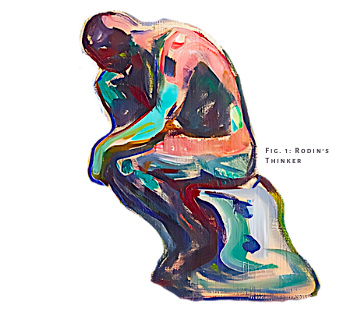
Contemplation Question(s): Consider reflecting on one (or all) of the questions.
What are you hoping to learn in this course?
As you reflect on your life, who or what has had the greatest impact on your journey thus far?
What do you think is the driving aim of your life?
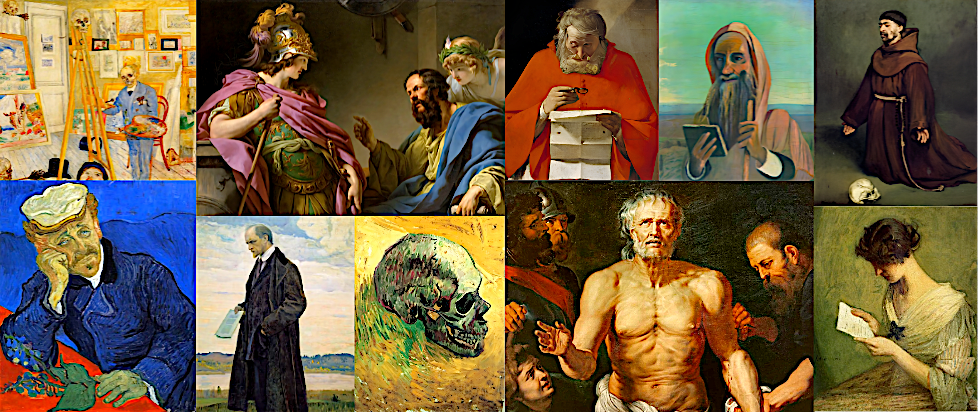
The Paradox of Small Changes
The paradox of small changes adding up is probably not a new idea to you. Zeno (the Founder of Stoicism) said more than two millennia ago, “Well-being is realized by small steps, but is truly no small thing.” Similarly, the Buddha observed that “drop by drop, the water pot is filled.” The wise one, gathering it little by little, is filled with good.
More recently, authors like James Clear (Atomic Habits) and B.J. Fogg (Tiny Habits) helped to popularize these ancient ideas. One of the reasons embracing these types of ideas is problematic is that it requires us to think both big and small.


