

Perennial Wisdom
Join the search! Perennial Wisdom (formerly In Search of Wisdom) is a podcast for seekers and curious minds. Each episode explores philosophical and spiritual traditions for practical wisdom for modern living.
Listen on Apple Podcasts, Spotify, or YouTube
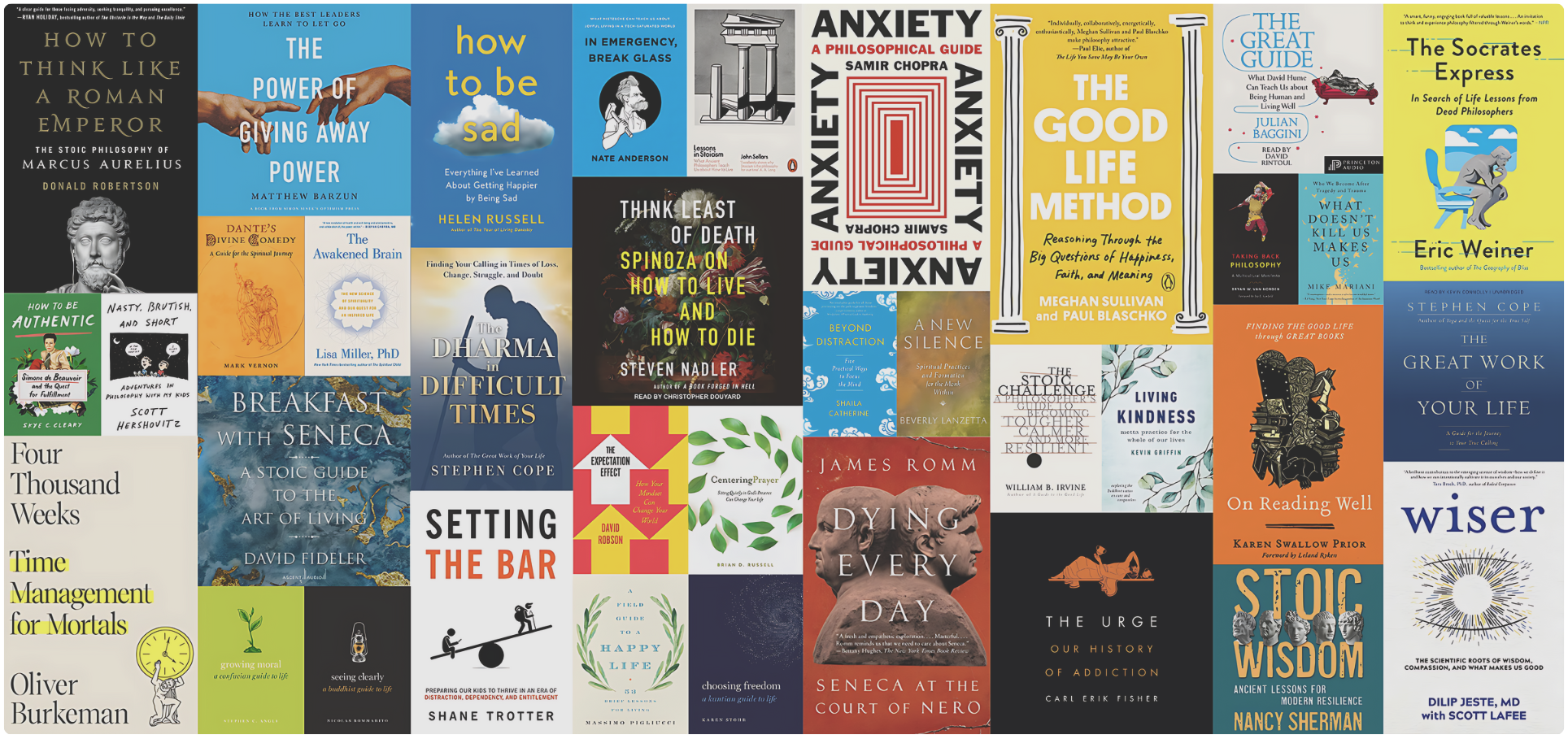
The Paradox of Emotions—Why Bad Feelings Make Life Good
In this episode of the Perennial Wisdom podcast, we explore the paradoxical lessons on the nature of emotions. Expect to learn why “negative” emotions are not obstacles to the “good” life. The problem with psychological rigidity and the wisdom (and practice) of being open to life.
Key Takeaways
Free to Be Unhappy
The Prison of Preferences
Being Open to Life
Support the Project
If you’d like to become a member, I’ve created three options: (1) Become a member at $5 a month or $39 for the year; (2) If you need assistance, you can use this 50% discount link; and (3) If you can’t afford it — please accept a complimentary membership.
Episode Transcript
The following is a transcript from “The Paradox of Emotions—Why Bad Feelings Make Life Good” from the Perennial Wisdom podcast.
—
How do you think about (or make sense of) “negative” emotions? I’m referring to emotions like anger, sadness, anxiety, regret, etc.
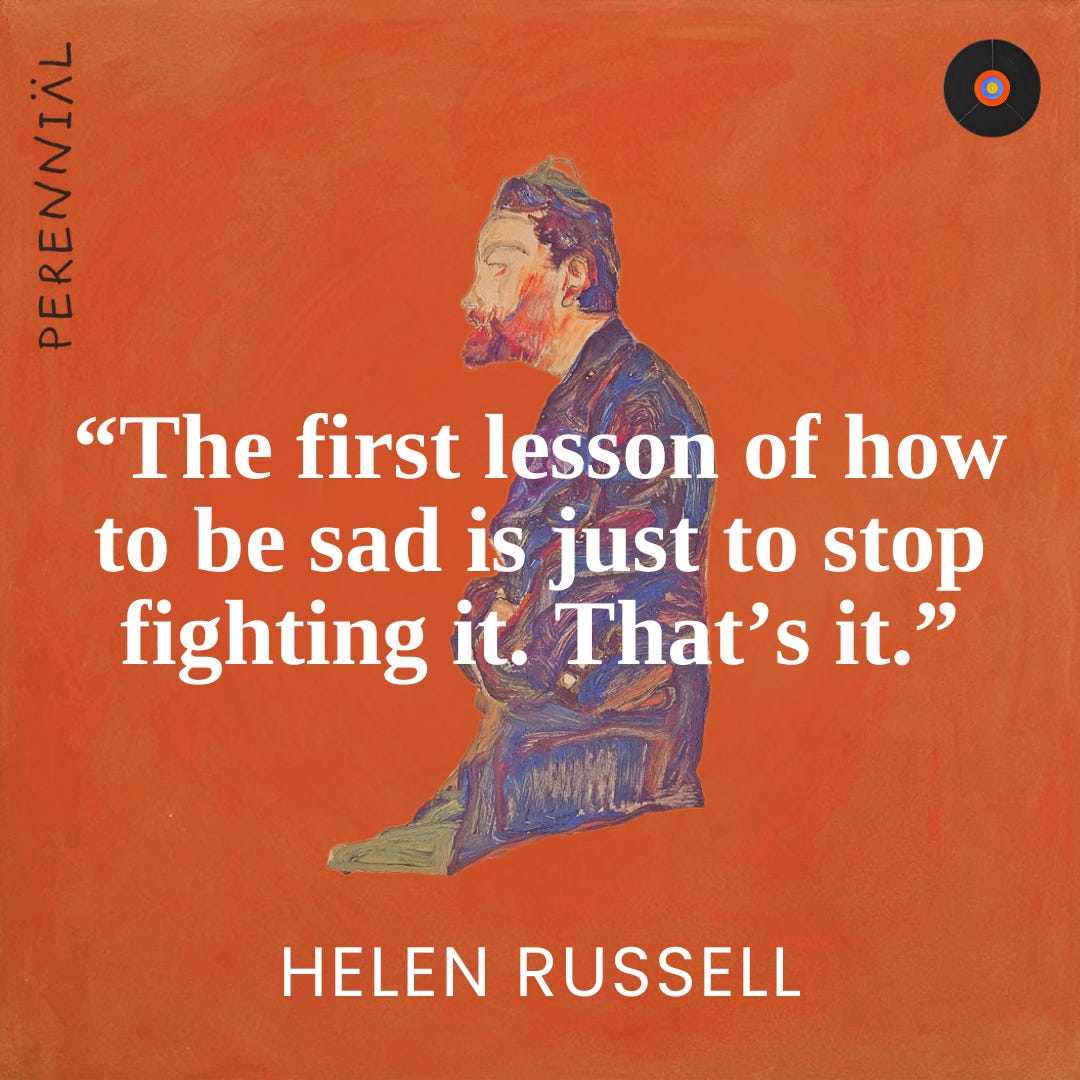
Interestingly, we often consider “negative” emotions as obstacles to the good life. But what if that’s a mistake? What if “bad feelings” actually make life good? Or, put another way, what if learning to be sad was the key to a happy life?
In this essay, we’re exploring three (paradoxical) lessons on the nature of emotions.
1. Free to Be Unhappy
Philosophers have been theorizing about emotions since they started thinking. And there’s a wide array of opinions on how to work with (or manage) our emotions.
In my conversation with the American philosopher Krista Thomason (author of Dancing with the Devil), we discussed emotions and the good life. Thomason explains,
Negative emotions, both inside and outside philosophy, are widely seen as obstacles to a good life. Since bad feelings prevent us from living well, so this reasoning goes, we need to do something with them. Some people argue that we have to do our best to not feel them. Others argue that we just need to feel them in the ‘right way’ or to ‘channel’ them into something good. If we are really going to value bad feelings, we need to reject the first premise of the argument: bad feelings are not obstacles to a good life.
It’s worth considering how comfortable we are with “negative” emotions. Are you free to be unhappy? Or do you see “negative” emotions as something to solve or remove?
Paradoxically, many philosophical and spiritual exercises teach us to “be” with life. For example, a basic definition of mindfulness is maintaining a moment-by-moment awareness of our thoughts, feelings, and sensations. The practice of mindfulness usually involves accepting our thoughts and feelings without judgment. Based on this definition, we might conclude that mindfulness is a way to learn to be with unpleasant feelings that arise–without rehashing the past or ruminating about the future.
