

Perennial Lives
The Perennial Lives series explores “How to Live: From Socrates to Nietzsche.” Each edition introduces the life and philosophy of one perennial figure. It’s designed to help you (and me) keep learning how to live!
Listen on Apple Podcasts, Spotify, or YouTube
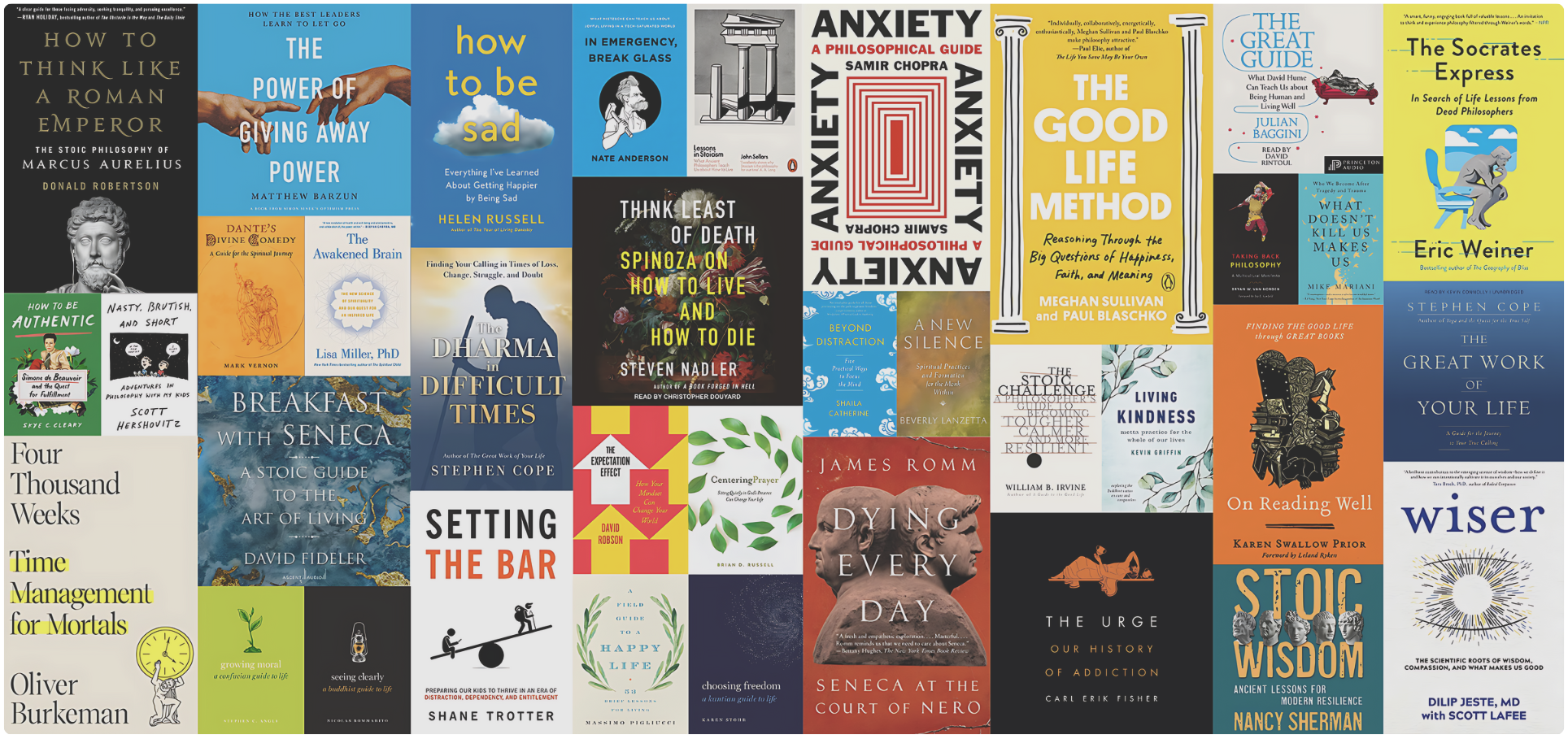
The Life (and Way) of Lao Tzu
In his series Socrates’ Children, modern-day philosopher Peter Kreeft notes that Lao Tzu may have lacked something no other philosopher lacked – actual existence. Some scholars believe he was a myth. His name means simply “the old man” or “the old master.”
In this edition of the Perennial Lives series, we’re exploring The Life (and Way) of Lao Tzu (a Chinese philosopher from around the sixth century BC). According to ancient records, Lao Tzu and Confucius are the only two religious founders who ever met each other.
Confucius wrote of the meeting,
I know a bird can fly; I know a fish can swim; I know animals can run. Creatures that run can be caught in nets; those that swim can be caught in traps; those that fly can be hit by arrows. But the dragon is beyond my knowledge: it ascends into heaven on the clouds and the wind. Today, I have seen Lao Tzu, and he is like the dragon.
Lao Tzu is credited with founding the philosophical system of Daoism. He is best known as the author of the Tao Te Ching, which translates as “The Way of Virtue.”
Daoism manifests not in words and rules like Confucianism but in natural things and events. It is like water: humbly, quietly, and gradually conforming to other things and nourishing them.
Lao Tzu ultimately became disillusioned with Confucianism as a set of rules and left the cities of China, where Confucius was teaching, and rode on a water buffalo into Mongolia, never to return. However, as legend has it, the gatekeeper would not let him through until he had shared his wisdom in writing. He took three days to write the eighty-one short poems of the Tao Te Ching, gave them to the gatekeeper, was let through, and was never heard from again. […]
Listen on Apple Podcasts, Spotify, or YouTube
—
Thank you for watching; I hope you found something useful for daily life.
Until next time, be wise and be well,
J.W.
P.S. If you enjoyed it, consider subscribing to Perennial Meditations on YouTube.