Happiness & the Meaning of Life
Happiness & the Meaning of Life is a philosophical study of the art (and science) of living well. The course explores the writing and philosophy of Aristotle, Seneca, the Buddha, Epicurus, William James, and many others. Expect to learn perennial lessons (and practices) to help you flourish in the modern day.
“Philosophy teaches us to act, not to speak. Its demands are these: each person should live to the standard he has set; his manner of living should not be at odds with itself or his way of speaking, and all his actions should have a single tenor.”
— Seneca, On Consistency
Much of what we’ve discussed throughout this series requires intentional action. One could argue that even stillness practices (meditation, prayer, contemplation, etc.) are deliberate and intentional actions.
Although our exploration of the art and science of living well revealed several principles and practices, it’s important to remember that these strategies only help us flourish when we consistently implement them. The art of living well requires us to discern what truly matters and work diligently to integrate those principles and practices into our daily lives.
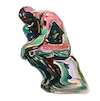
Consider reflecting (or journaling) on these question(s):
‘What does a life of greater well-being look like for you?’
‘How can you start thinking about meaning and happiness, not as destinations but directions?’
Each of us must be intentional about our actions. As the ancient Greek playwright Sophocles remarked, ‘Kindness gives birth to kindness.’ We must recognize how our actions give birth to more of those actions.
In his Meditations on Lent, the theologian St. Thomas Aquinas described the idea this way,
Man believes that, once he has committed the sin, he will be able to keep from sin for the future. Experience shows that what really happens is quite otherwise. The effect of that first sin is to weaken the sinner and make him still more inclined to sin. Sin dominates man more and more, and the man left to himself, whatever his powers, places himself in such a state that he cannot rise from it.
Whether or not you believe in Aquinas’s take on sin. The point is that we are creatures of habit. The art of action is understanding that what we do often leads to more of the same.