

🏛️ Sundays with Seneca
Sundays with Seneca explores Lucius Annaeus Seneca's writings and Stoic philosophy. Each week, I share selected passages from one of Seneca's letters in search of ancient lessons on the art of living (along with a journaling prompt at the end). The series is exclusively available to members.
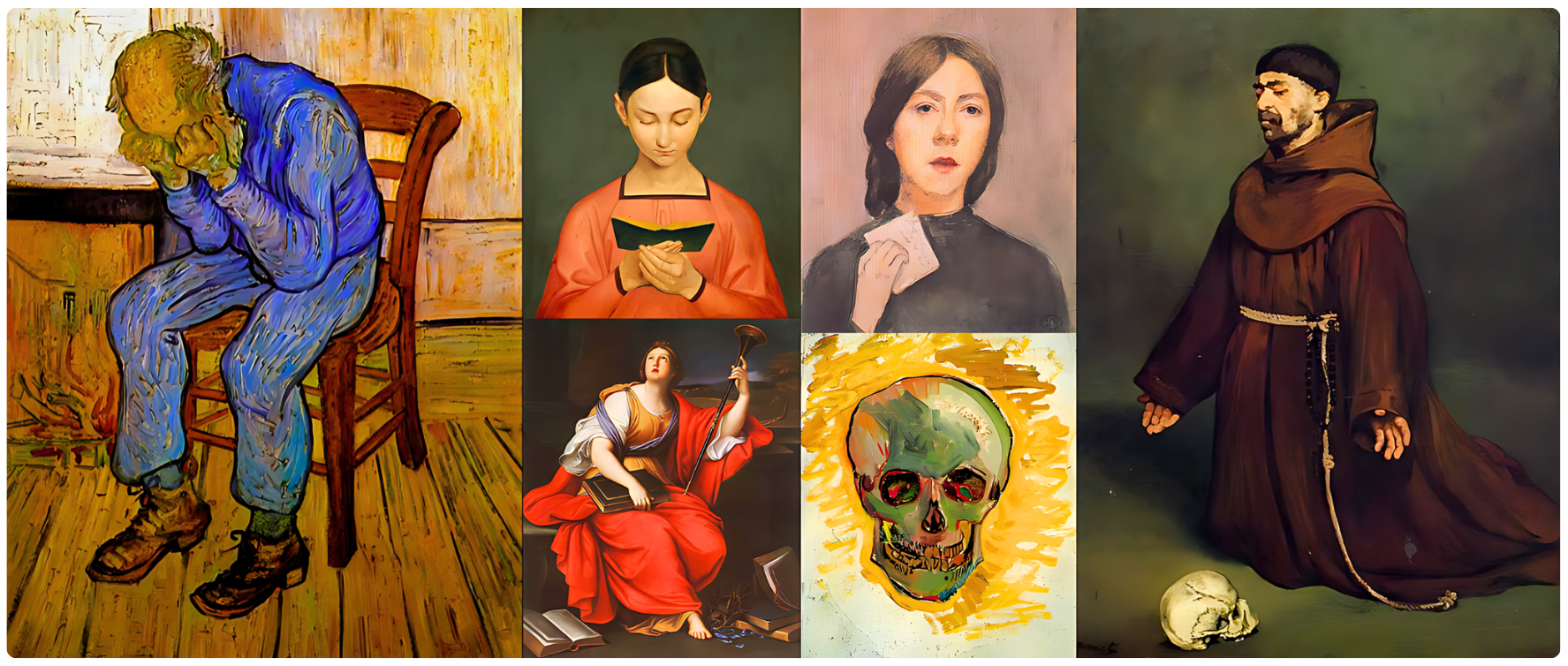
Seneca on the Art of Rest
In this week’s Sundays with Seneca series, we’re exploring selected passages from a letter known today as On Rest and Restlessness.
I do not like you to change your headquarters and scurry about from one place to another. My reasons are—first, that such frequent flitting means an unsteady spirit. And the spirit cannot, through retirement, grow into unity unless it has ceased from its inquisitiveness and its wanderings. To be able to hold your spirit in check, you must first stop the runaway flight of the body.
My second reason is, that the remedies which are most helpful are those which are not interrupted. You should not allow your quiet, or the oblivion to which you have consigned your former life, to be broken into. Give your eyes time to unlearn what they have seen, and your ears to grow accustomed to more wholesome words. Whenever you stir abroad, you will meet, even as you pass from one place to another, things that will bring back your old cravings.
Just as he who tries to be rid of an old love must avoid every reminder of the person once held dear (for nothing grows again so easily as love), similarly, he who would lay aside his desire for all the things which he used to crave so passionately, must turn away both eyes and ears from the objects which he has abandoned. The emotions soon return to the attack; at every turn, they will notice before their eyes an object worth their attention. There is no evil that does not offer inducements. Avarice promises money; luxury, a varied assortment of pleasures; ambition, a purple robe and applause, and the influence which results from applause, and all that influence can do.
Vices tempt you by the rewards that they offer, but in the life of which I speak, you must live without being paid. Scarcely will a whole lifetime suffice to bring our vices into subjection and to make them accept the yoke, swollen as they are by long-continued indulgence, and still less if we cut into our brief span by any interruptions. Even constant care and attention can scarcely bring anyone's undertaking to full completion.
Seneca concludes,
If you will listen to my advice, ponder and practice this—how to welcome death, or even, if circumstances commend that course, to invite it. There is no difference whether death comes to us, or whether we go to death. Make yourself believe that all ignorant men are wrong when they say: ‘It is a beautiful thing to die one’s own death.’ But there is no man who does not die his own death. What is more, you may reflect on this thought: No one dies except on his own day. You are throwing away none of your own time; for what you leave behind does not belong to you. Farewell.
Journaling Prompt
What does it mean to be content? How do you stop ‘wandering’ from one place to another (or one desire to another)? “Life is long enough if you know how to use it,” stressed Seneca in On the Shortness of Life. You might consider reflecting on what it means to ‘use’ your life well.
—
Thank you for reading; I hope you found something useful.
Until next time, be wise and be well,
J.W.
P.S. New here? Catch up on previous volumes in the archive!