

💀 Dying Every Day
Dying Every Day (Stoicism in a Year) is a podcast by the Perennial Leader Project. Each episode turns a selected passage from Stoic philosophy into a guided meditation designed to help you (and me) learn how to live.
Listen on Apple Podcasts, Spotify, or YouTube
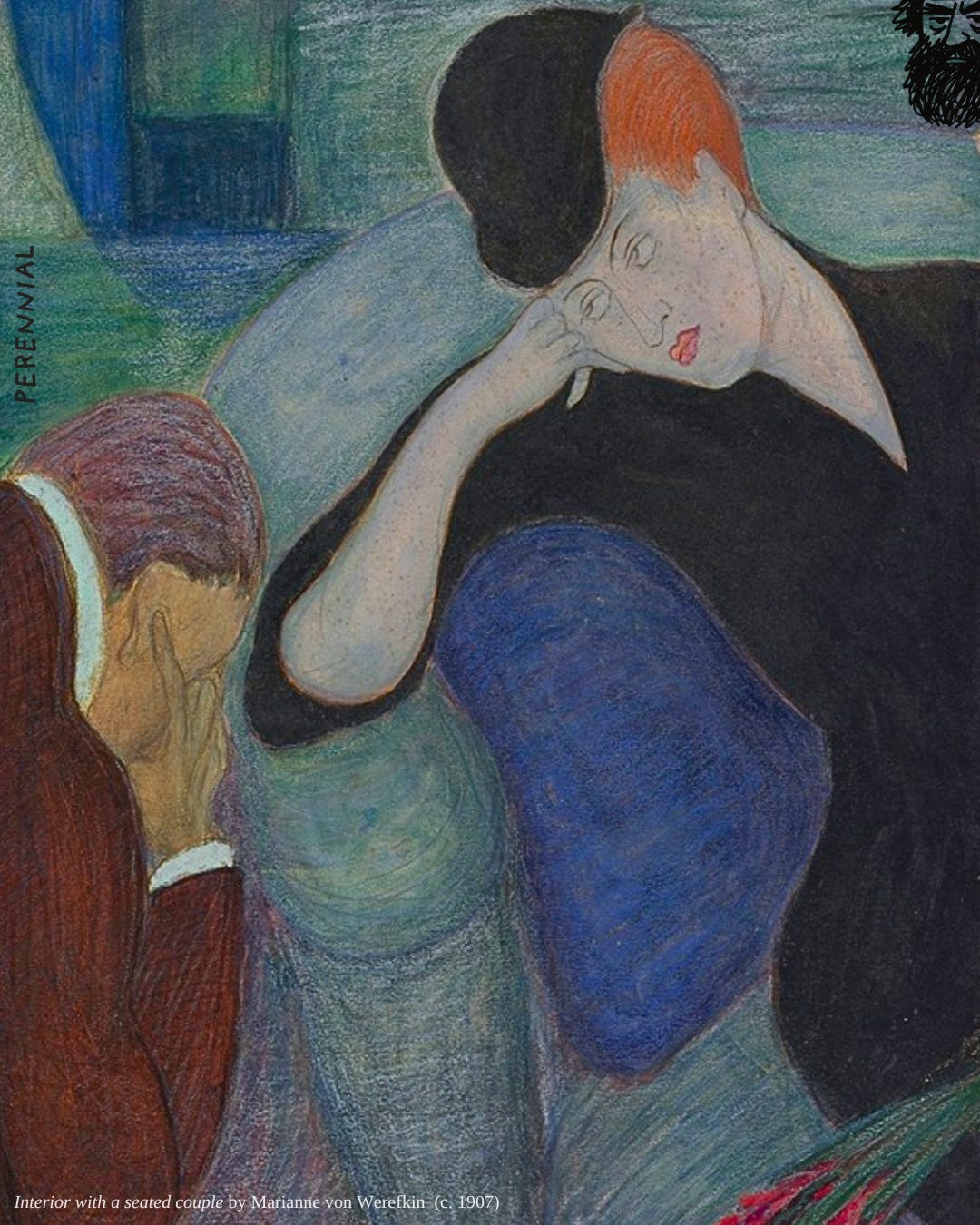
Seneca on the art of friendship
Welcome back to Dying Every Day (Stoicism in a Year). This is Day 115.
What if happiness isn’t something you can keep to yourself? What if the best way to live for yourself is to live for others? Seneca thought so—and here, he explains why.
Friendship creates between us a partnership in all things. Nothing is good or bad for us alone: we live in common. Nor can anyone live happily who only cares for his own advantage. You must live for another if you would live for yourself. This fellowship, maintained with special care and respect, unites humanity as a whole, and holds that we all have certain rights in common.
Seneca continues,
But it’s also beneficial for nurturing the more intimate kind of friendship, of which I’ve been speaking. For someone who has much in common with another human being will have everything in common with a friend.
+Adapted from Letter 48
We are interconnected. Every joy—such as love, trust, and honor—derives from your relationships with others. Similarly, every pain—betrayal, cruelty, injustice—also results from interactions with others.
Believing that happiness should be sought through isolation is a mistake.
Seneca warns that no one can live happily who only cares for his own advantage. “You must live for another if you would live for yourself,” he says. This is not merely generosity—it is wisdom. The more you care for others, the more meaning and fulfillment you find in your own life.
In the opening chapter of Breakfast with Seneca, David Fideler (a previous podcast guest) explains,
Friendships and meaningful relationships are crucial in Seneca’s philosophy for another reason. That’s because the people we surround ourselves with make a huge impact on our own character. For Seneca, we should choose our friends carefully, because it’s easy to pick up, or unconsciously absorb, bad character traits from other people. Alternately, being around people with good character traits helps us to develop good character, too. Those friendships help us to make progress.
Think of how even small kindness—a shared meal, a comforting word—ripples outward and nourishes both giver and receiver. Or how isolation, pride, and selfishness leave you hollow. This is what Seneca wants us to see: we are made for each other.
This fellowship is more than just the glue that holds society together; it's the soil where deep friendship can grow. On a societal level, it unites humanity through shared respect and rights, making sure that everyone belongs. On a personal level, it blossoms into intimacy—that rare and beautiful bond where “everything is in common,” and a friend becomes another self.
To live only for yourself, Seneca warns, is to live poorly. But to live for others—to care for them as you care for yourself—is to discover the kind of happiness that endures.
Reflection Prompt
Think about taking a moment to reflect or journal about the art of friendship. You might ask yourself, “What small act of kindness or fellowship can I share with someone today?” or consider, “In what ways can practicing the art of friendship help me (and others) find a deeper sense of joy and fulfillment?”

Listen on Apple Podcasts, Spotify, or YouTube
—
Thank you for reading/listening; I hope you found something useful.
Until next time, be wise and be well.
J.W.
P.S. Catch up on the previous episodes of “Dying Every Day” below:

