

Dear Fellow Travelers,
Today’s meditation explores our perception of time and marks the final volume of the “Know Thyself” series. For everyone who has been following along, thank you for joining me. I hope you've found some valuable insights and ideas to incorporate into everyday life.
If you missed any of the previous volumes, you can catch up here: The Philosophy of Desire (Vol. 1), The Self, Shadow, and Sage (Vol. 2), The Wisdom of Wonder (Vol. 3), The Art of Rationality (Vol. 4), Making Sense of Emotions (Vol. 5), The Paradox of Uncertainty (Vol 6), Wisdom is the Way (Vol. 7), and Love is the Practice (Vol. 8).
Lastly, if you have any questions, thoughts, or suggestions, please don't hesitate to share them in the comments.
Be wise and be well.
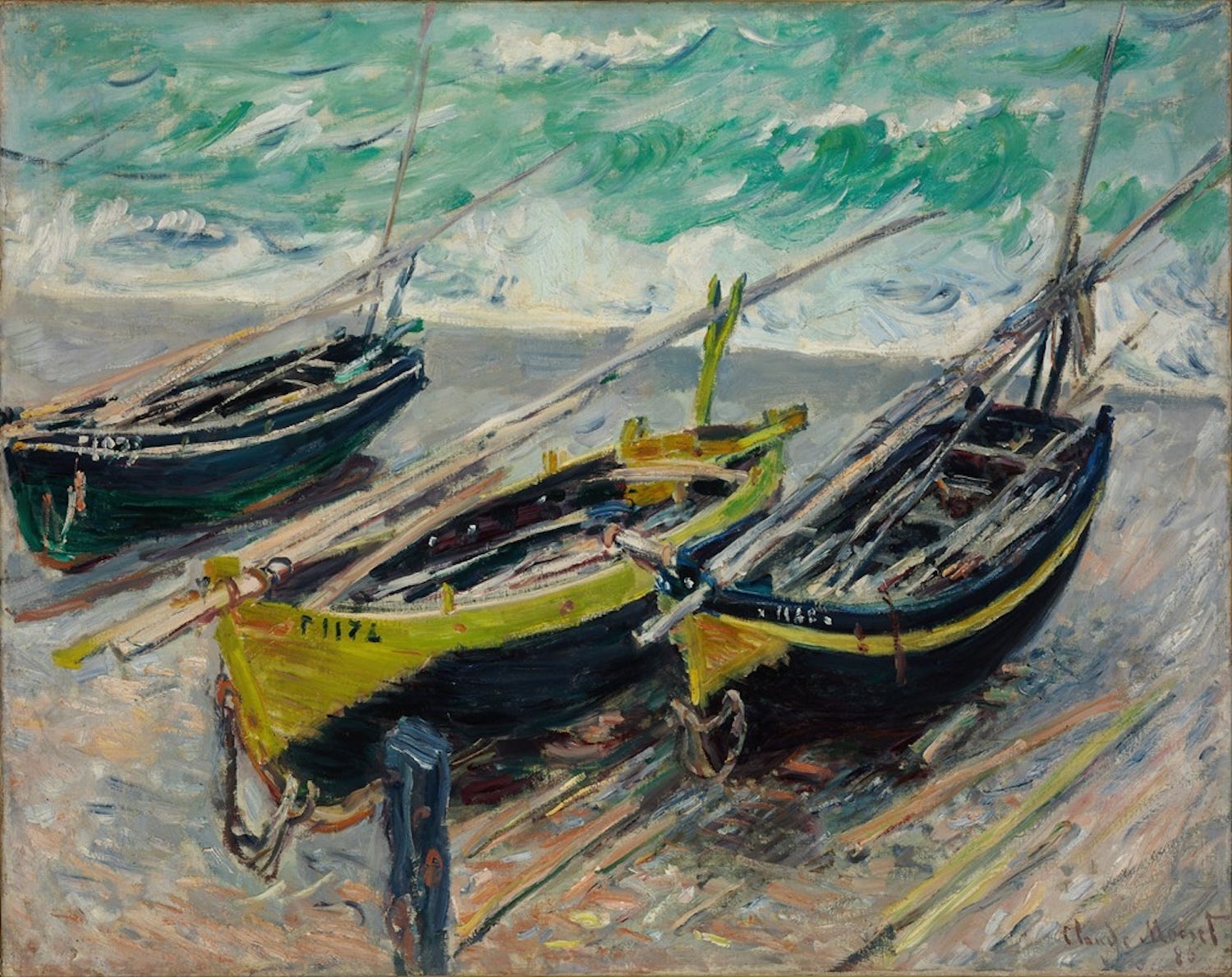
👁️ Know Thyself
The “Know Thyself” series explores philosophy, theology, and psychology for insights on the art (and science) of self-awareness. Expect to learn perennial ideas and psychological concepts on human nature, along with philosophical lessons on the art of living.
Presence is the Path
Imagine a soldier writing by candlelight as cold winter winds cut through the Roman camp outside. Even though Marcus Aurelius is emperor of the most powerful territory in the known world, his journal doesn't start with military plans but with a personal note to himself:
Do not act as if you had ten thousand years to live. Fate is at your elbow; make yourself good while life and power are still yours.
Marcus recognized something profound—just as philosophers and monks have appreciated for centuries—that our connections with the past, the future, and the present deeply influence how we live our lives.
During times when our minds are consumed by endless rumination—focusing on past mistakes and future worries—being fully present can feel like a rare privilege. However, ancient philosophies such as Stoicism, Buddhism, and Epicureanism, along with modern thinkers, highlight that being present is essential to living a good life.
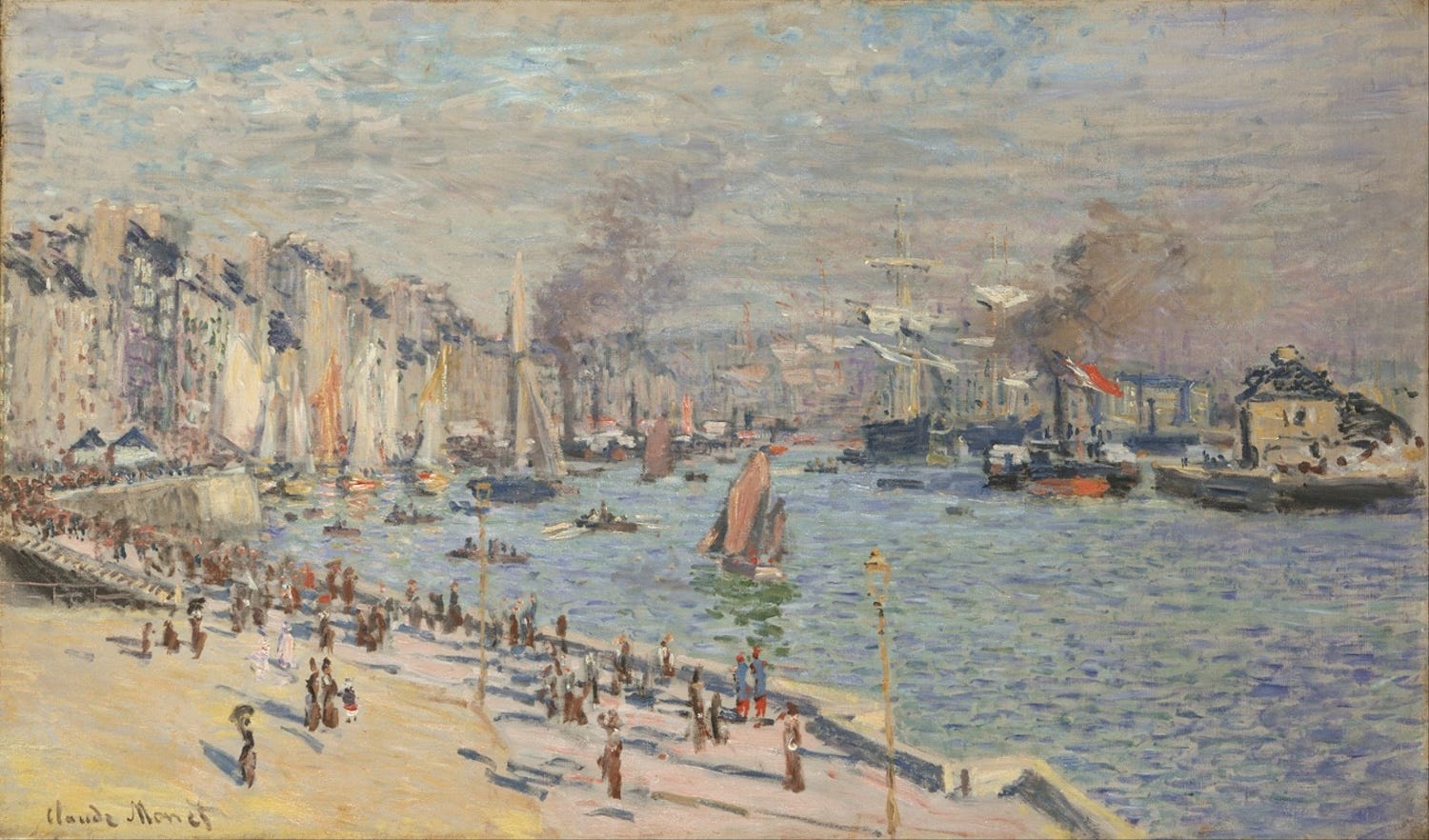
The Past
When you wash the dishes, wash the dishes. – Thich Nhat Hanh
The past is a strange land. It cannot be changed, but it can still rule us if we let it. Regrets whisper. Old victories tempt us to rest on our laurels. We replay conversations, rehearse betrayals, and return to moments as if our constant attention might rewrite them.
Marcus Aurelius saw the danger. In Meditations, he reminded himself:
Every man lives only this present time, which is an indivisible point, and all the rest of his life is either past or it is uncertain.
The past is fixed, but its influence is not. We can keep carrying its weight, or we can transform it into something lighter.
Seneca, writing to his friend Lucilius, warns:
We suffer more often in imagination than in reality… not to be unhappy before the crisis comes; since it may be that the dangers… will never come upon you.
Much of what chains us to the past is not the event itself but the commentary we’ve added. We repeat the story, we intensify the pain, we keep the wound fresh.
The philosopher and historian Pierre Hadot called the remedy askēsis—spiritual exercises to “transform our vision of the world.” For the Stoics, that meant daily habits like journaling in plain language, reframing experiences, or practicing voluntary discomfort—not to erase the past, but to transform it.
Buddhist teaching echoes this release:
Let go of the past, let go of the future, let go of the present… with mind wholly liberated, you shall come no more to birth and death.
This is not a call to forget, but to loosen our grip.
Bruce Tift, a psychotherapist and author of Already Free, reframes it for modern ears: “Life isn’t solvable. It’s a process that we can participate in.” You don’t need to “fix” the past; you need to meet the present it has given you.
Tift continues:
There is a potential problem with looking to the past as a way of better understanding the present: we may start to think that an improved present is dependent on clearing up the past. Out of this belief, many of us try to rework the past. But you can’t rework your past—it’s gone. Any memories about the past are speculative, incomplete, and partial.
Interestingly, talking about the past, without realizing that we are only referring to our current way of relating to it, can actually serve as a way to avoid being fully present. When we stop clinging to the past, something opens. Into that space rushes another question: “What about the future?”
If memory can bind us, so can anticipation.
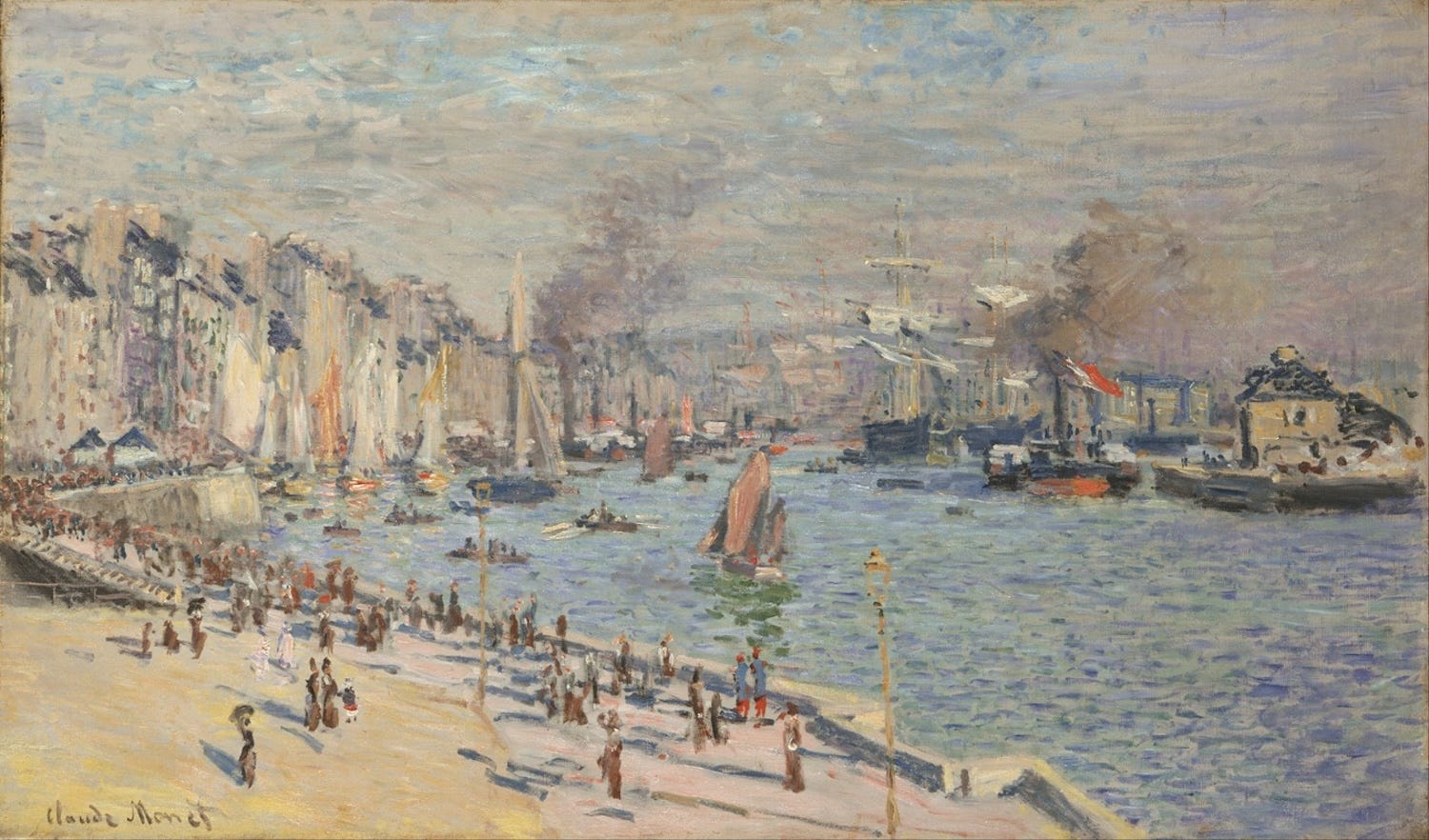
The Future
The mind is a gifted time traveler, leaping ahead to imagine possibilities. This is our strength—and our downfall. We can plan, but we can also worry ourselves into paralysis.
The Greek philosopher Epicurus wrote to Menoeceus:
When we say that pleasure is the goal, we do not mean the pleasures of decadent people… but freedom from pain in the body and trouble in the mind… sober reasoning… banishing those beliefs through which the greatest tumults take possession of the soul.”
For Epicurus, a promising future wasn’t packed with luxuries—it was untroubled. Sometimes this meant choosing a present discomfort to avoid greater suffering later.
The Stoics put it more bluntly. Epictetus stressed:
Some things are in our control and others not. In our control are opinion, motivation, desire, aversion… not in our control are our body, our property, reputation, office…
The future belongs to the second category. What’s in our hands is the presence and attention we bring to the next step.
Buddhism warns us that our imagined tomorrows are still only present thoughts. The late Zen master Thich Nhat Hanh wrote: “The past no longer is, the future is not yet here; there is only one moment in which life is available.”
In my conversation with Julian Baggini, author of How to Think Like a Philosopher, he offered a philosophical tool for meeting uncertainty: “Good thinking is mainly about paying attention.” This includes paying attention to our language—phrases like “This will be a disaster” can harden into self-fulfilling fear.
Likewise, my interview with Meghan Sullivan and Paul Blaschko, authors of The Good Life Method, also adds:
Ancient philosophers describe this fundamentally human task as ‘joining up your circles’—joining your short-term plans with more essential goods; your present moment with your past and future; your own life with the lives of others around you; your current desires with a vision for how your life will all fit together into a coherent and meaningful whole.
The ancient Greeks and Romans believed that the drive to “join up" distinguishes humans from other animals. They thought we have the unique ability to recognize these connections in our lives and actively work to strengthen them. Moreover, they believed that to do this with dedication, we require significant philosophical guidance.
If the past has passed and the future is still ahead, then the present is where our lives truly unfold. It’s the only path we can walk.
The Present
Imagine Epicurus in his garden—not at a lavish feast, but sharing bread, olives, and conversation with friends. This was not deprivation. This was life stripped of distraction. Marcus Aurelius knew the same truth: “Forget everything else. Keep hold of this alone… Each of us lives only now, this brief instant.”
Consider selecting an anchor, such as taking a mindful breath before answering the phone, pausing at each doorway, or recalling a timeless maxim before a meeting. We understand that strategies like these are effective (or at least helpful), yet we often delay them to a future that might never arrive.
Epicurus warns against postponing philosophy:
No one should postpone the study of philosophy when he is young, nor should he weary of it when he becomes mature, because the search for mental health is never untimely or out of season. To say that the time to study philosophy has not yet arrived or that it is past is like saying that the time for happiness is not yet at hand or is no longer present.
Epicurus and others advise us to cultivate habits that bring happiness and wisdom. And living in the present moment is universally agreed upon as one of those habits. It is stressed repeatedly across philosophical and spiritual traditions.
Hadot highlights the connection between Stoicism and Epicureanism:
Despite the profound difference between Stoic and Epicurean doctrines, one can discern, underlying the two doctrines, an important analogy in the experience of the present. It can be defined as follows: Epicureanism and Stoicism privilege the present over the past, and especially over the future. They made it a principle that happiness must be found in the present alone, that an instant of happiness is equivalent to an eternity of happiness, and that happiness can and must be found immediately, right now, at once.
Epicureanism and Stoicism encourage us to place the present moment in the context of the cosmos and to see even the tiniest moment of existence as infinitely valuable.
Final Thoughts
A soldier in a tent. A monk washing dishes. A philosopher with friends. Across centuries, they practiced the same art: giving themselves wholly to the moment at hand.
Hadot states that philosophy is “a conversion that completely overturns our entire life.” The Stoics, Buddhists, and Epicureans concur: this turning point occurs here, in this present moment.
Let this meditation serve as a gentle reminder that “the path” we walk, the only one truly available to us, exists in the here and now.
—
Thank you for reading; I hope you found something useful.
Until next time, be wise and be well.
J.W.
P.S. As always, I greatly appreciate your time, attention, and support!
Great post with so many actionable reminders.