

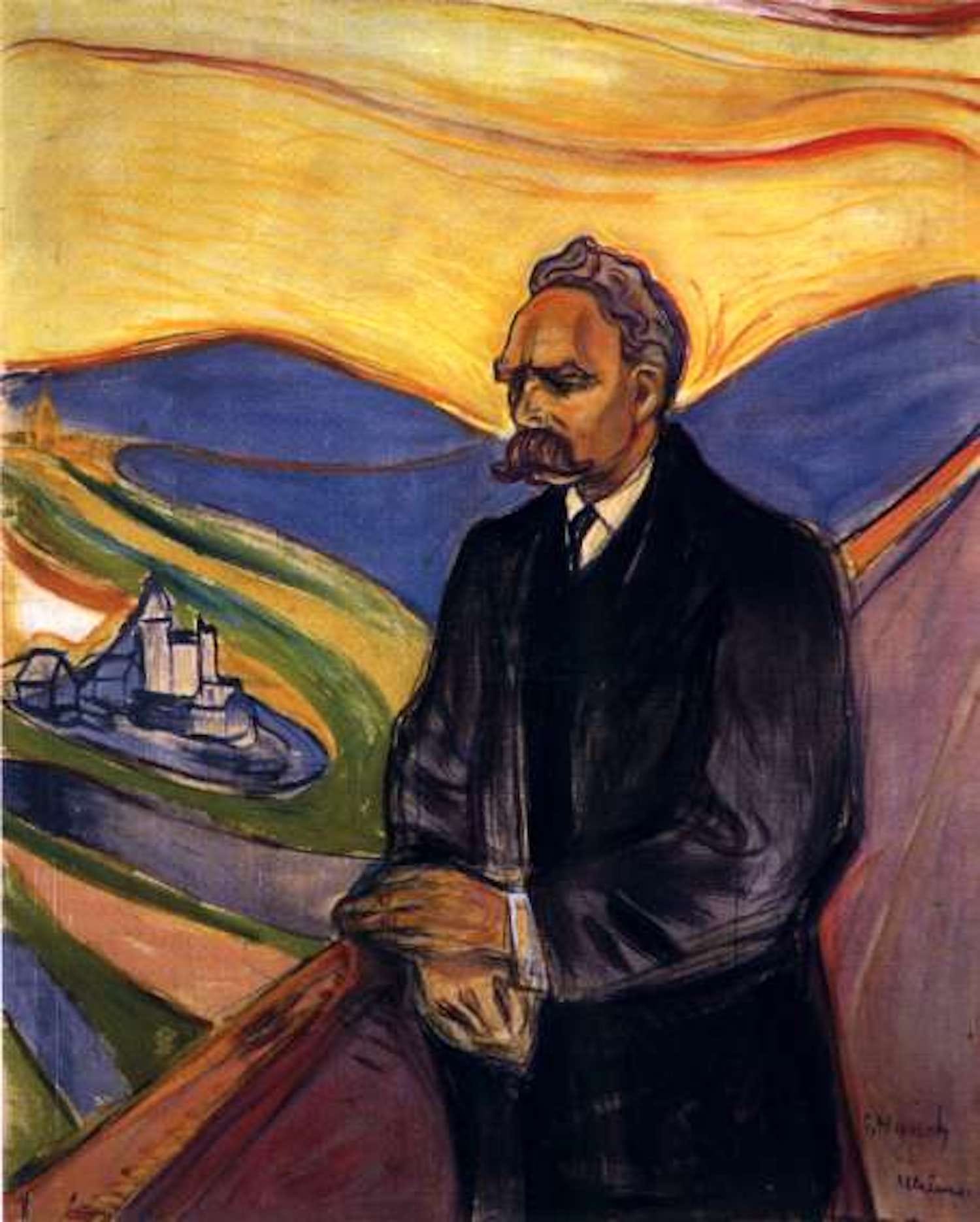
What does it mean to observe yourself?
According to Nietzsche, one can ease suffering in life by using psychological observation. This short reflection explores what Nietzsche called — the art of self-observation through a psychological lens.
In Human, All too Human, Nietzsche wrote,
Among the things that can drive a thinker to despair is the knowledge that the illogical is necessary for man and that much good comes from it. It is so firmly lodged in the passions, speech, art, religion, and generally, in everything which endows life with value that one cannot extricate it without doing irreparable harm to these beautiful things. Only the very naive are capable of thinking that the nature of man can be transformed into a purely logical one; but, if there were degrees of approximation to this goal, how much would not have to vanish along this path!
Direct self-observation is insufficient for us to know ourselves: we need history, suggested Nietzsche. The past flows within us in a hundred waves. Psychological observation is one of the richest sources of entertainment and most helpful.
