

Perennial Wisdom
Perennial Wisdom is a podcast for seekers and curious minds. Each episode explores philosophical and spiritual traditions for universal truths and enduring ideas to help you (and me) never stop learning how to live.
Listen on Apple Podcasts, Spotify, or YouTube
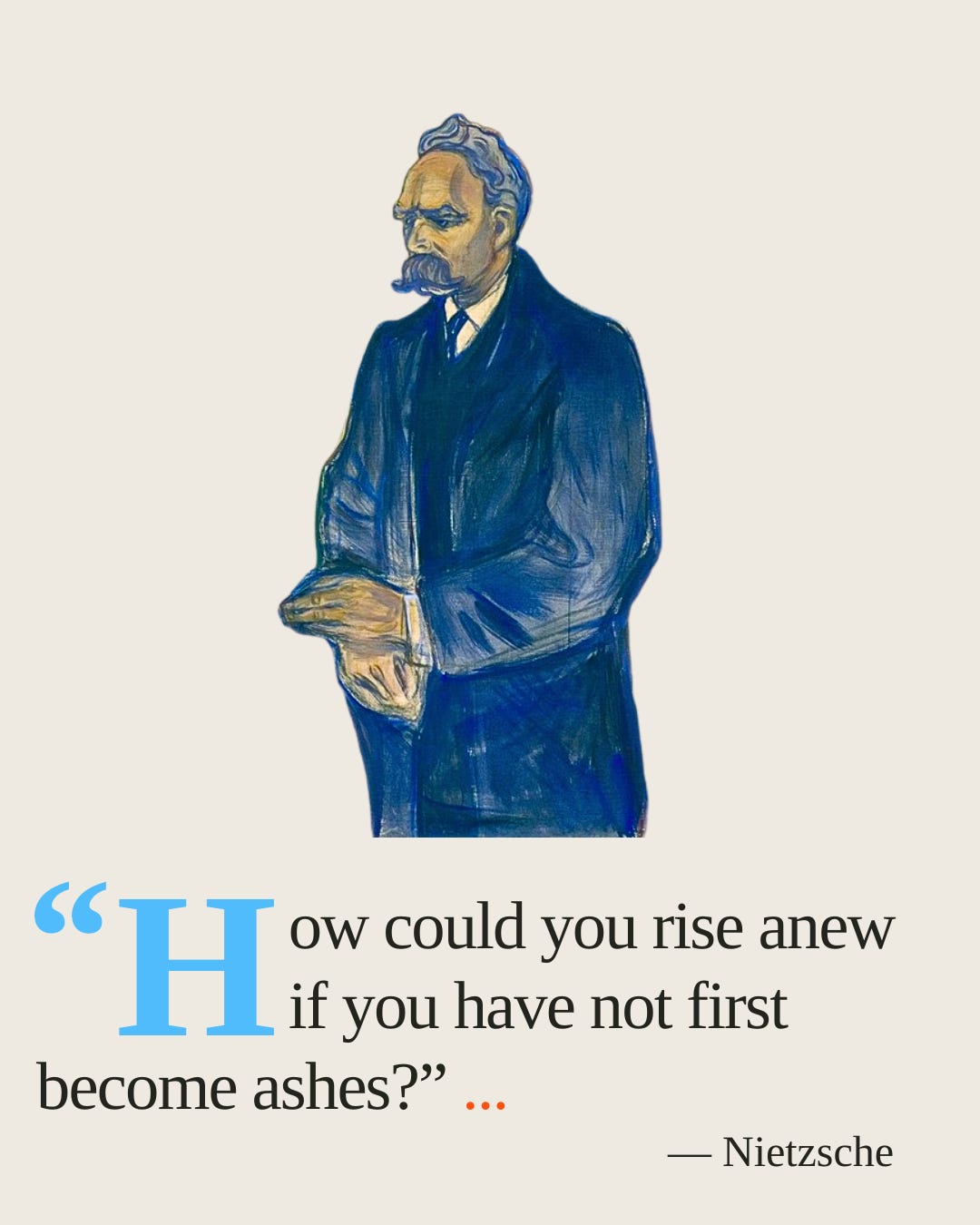
Nietzsche: The Fear of Change
In this episode of Perennial Wisdom, we turn to the provocative thoughts of Friedrich Nietzsche (1844—1900) to explore one of the most overlooked yet essential inner struggles: the fear of change.
Building on the previous episodes—Socrates on the Fear of Death and Maslow on the Fear of Greatness—we now face Nietzsche’s challenge: to become who we are. Through poetic reflection and profound insights from Nietzsche, we explore how change is both essential and frightening.
This meditation invites us to observe our resistance to growth, challenge the habits that shield us from truth, and envision the freedom that awaits beyond fear.
Listen on Apple Podcasts, Spotify, or YouTube
Episode Transcript
The following is a transcript from “Nietzsche: The Fear of Change” from the Perennial Wisdom podcast (Ep. 248).
—
We began this series (on fear) with Socrates, who feared only one thing—not death, but unrighteousness.
A man who is good for anything ought not to calculate the chance of living or dying… he ought only to consider whether in doing anything he is doing right or wrong. — Plato, Apology
For Socrates, true fear isn’t physical danger but moral compromise. He urges us to live rightly, regardless of the cost.
Then came Maslow, whose insights pointed to the fear of greatness:
We fear our highest possibilities. We are generally afraid to become that which we can glimpse in our most perfect moments.
— The Farther Reaches of Human Nature
We don’t just fear death. We fear transcendence. The greatest temptation, as Thomas Merton wrote, is “to settle for too little.” And the greatest tragedy, Maslow warns, is to never become who we are capable of being.
Now, enter Nietzsche; he doesn’t console us. He provokes us. He doesn’t say, “You’re fine the way you are.” He says,
You must be ready to burn in your own flame. How could you rise anew, if you have not first become ashes?
Change is terrifying (at least for most of us). Even when it’s needed. Even when it’s overdue. Even when everything in us knows we’re done with who we’ve been—still we hesitate. Still, we resist.
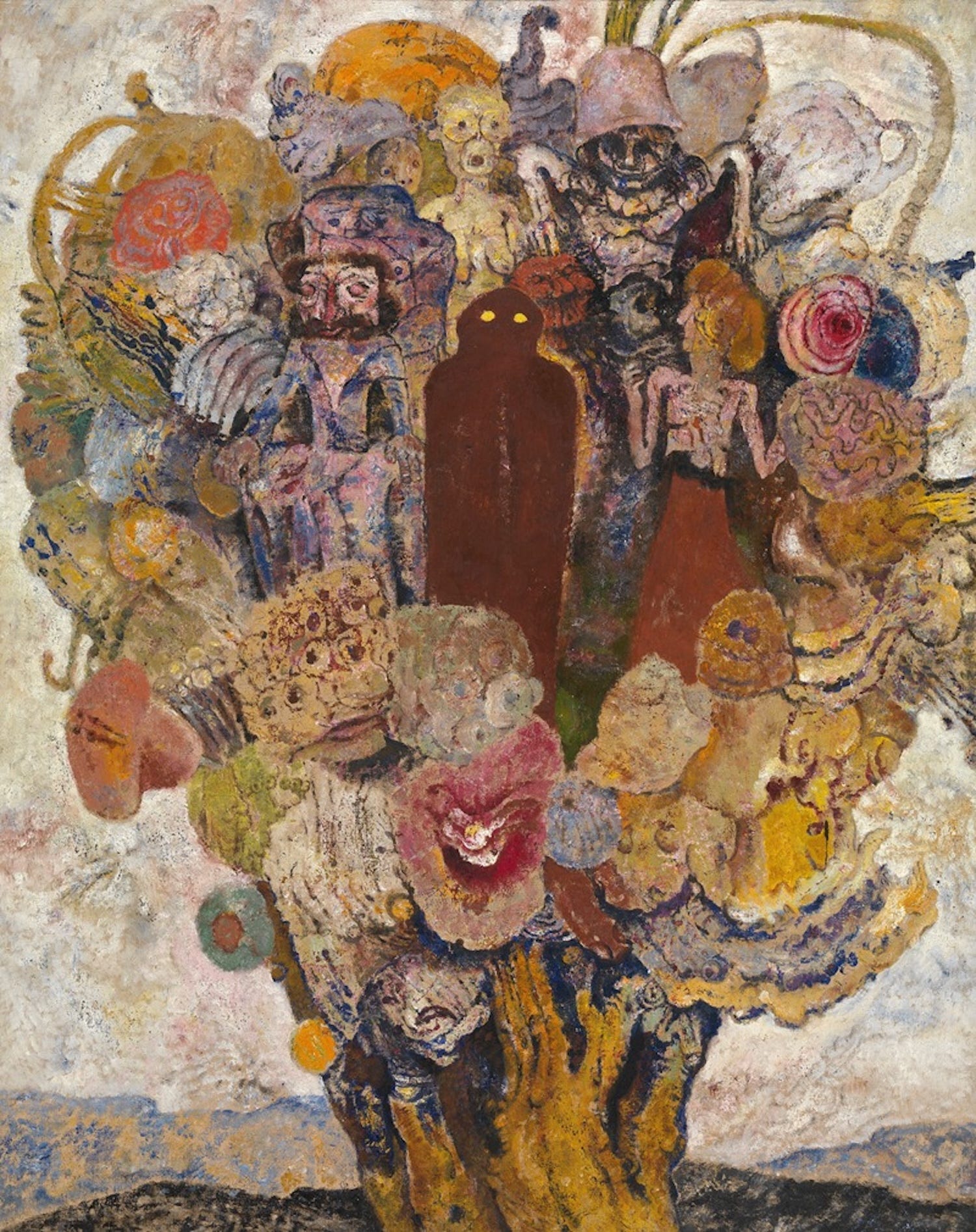
In Twilight of the Idols, Nietzsche writes:
The snake which cannot shed its skin perishes.
If we cling to outdated versions of ourselves, we don’t just stall—we suffocate. We tell ourselves stories of safety, but these are stories of avoidance.
Comfort (or the status quo) becomes the mask that hides our fear.
And what are we really afraid of?
Not failure. Not pain. But change.
We wear roles. We perform. That’s part of life. But there comes a time when the performance becomes a prison.
What does your conscience say?, asks Nietzsche. ‘You shall become the person you are.’
This is Nietzsche’s call: not to become someone else, but to become yourself—the self buried beneath the noise and fear (and even the false humility).
He urges us to stop pretending.
To stop negotiating with mediocrity.
And to stop editing our desires merely to fit in.
Nietzsche recognized that becoming oneself is not a passive process. It is not safe. It is a struggle.
He stressed,
The higher we soar, the smaller we appear to those who cannot fly.
Overcoming the fear of change can be confusing for people. It unsettles the familiar. But the alternative? A life half-lived.
Maslow reminds us:
If you deliberately plan to be less than you are capable of being… then I warn you that you’ll be deeply unhappy for the rest of your life.
Likewise, recall that Socrates, when facing death, left us with this parting plea:
When my sons are grown, I would ask you… to trouble them, if they care about riches more than about virtue.
Reflection Exercise
To change, in a way, is to die. To grow is to grieve. You will mourn what you leave behind. But you will also taste a new freedom.
So ask yourself:
Where in your life are you shrinking?
Where have you chosen comfort over becoming?
What old identity are you keeping alive, long after its purpose has passed?
Nietzsche doesn’t say it will be easy. He says it will be necessary.
In closing, Socrates taught us not to fear death, but dishonor. Maslow showed us how we shudder at our highest selves.
And Nietzsche? He says plainly, “Become who you are.”
—
Thank you for reading/listening; I hope you found something useful.
Until next time, be wise and be well.
J.W.
P.S. If you enjoyed it, consider leaving a rating on Apple Podcasts or Spotify.