

Perennial Wisdom
Perennial Wisdom is a podcast for seekers and curious minds. Each episode explores philosophical and spiritual traditions for universal truths and enduring ideas to help you (and me) never stop learning how to live.
Listen on Apple Podcasts, Spotify, or YouTube
Maslow on the Fear of Greatness
In this episode of Perennial Wisdom, we explore a hidden but deeply human struggle: the fear not of failure—but of greatness.
Drawing from Abraham Maslow's insights, we consider what it means to avoid our potential and why many of us unconsciously choose comfort over potential. We also hear from contemplative voices like Thomas Merton, who warn us that “the greatest human temptation is to settle for too little.”
Listen on Apple Podcasts, Spotify, or YouTube
Episode Transcript
The following is a transcript from “Maslow on the Fear of Greatness” from the Perennial Wisdom podcast (Ep. 247).
—
Why do we settle for too little or lives that fall short of our highest good?
According to the American psychologist Abraham Maslow (1908—1970), and as we’ll learn, many others believe that we actually fear our highest potential.
In The Farther Reaches of Human Nature, Maslow wrote,
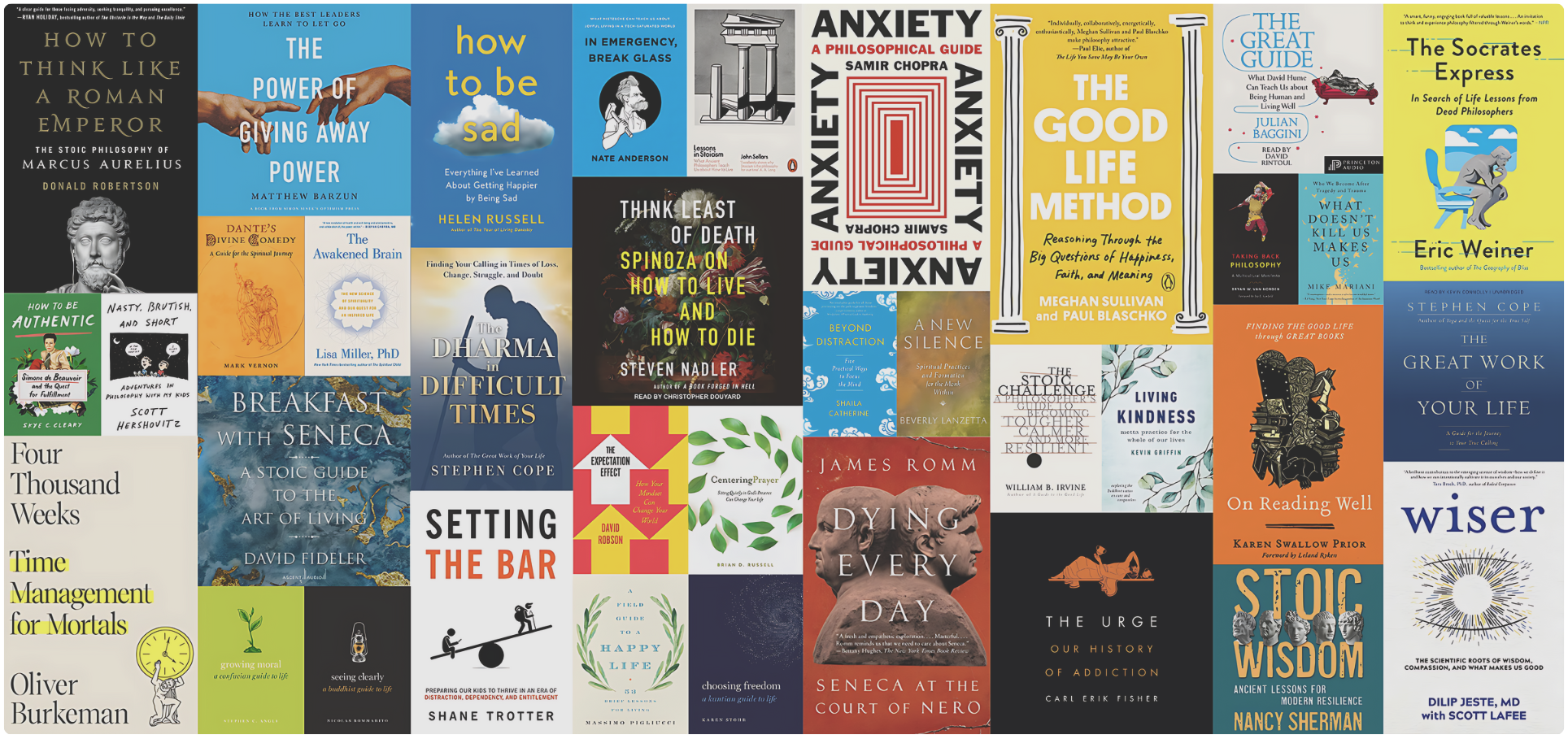
It is not just our evil which is unrealized... it is also the good. We fear our highest possibilities as well as our lowest ones. We are generally afraid to become that which we can glimpse in our most perfect moments.
It turns out we don’t just fear falling. We fear achieving our full potential.
It may sound strange at first.
Why would anyone fear the very thing they long for?
For many of us, there’s a quiet, hidden truth beneath our drive: we actually undermine what we most want. We create limits we pretend we didn’t set. We look down just as the horizon starts to open up.
Throughout his work, Maslow consistently noted this phenomenon. He referred to it as the Jonah Complex—the fear of achieving greatness and the fear of embracing our own path. In the same way that Jonah in the Hebrew scriptures avoided failure, we often shy away from the voice that calls us to greatness.
Maslow explained,
We fear this possibility because it calls for more effort, responsibility, and self-discipline than we feel ready to offer. We fear it because it would mean giving up the familiar comforts of mediocrity.
And so, we settle. We bury our talent. We dim our light. We edit our ambition into something safer, smaller, and more palatable.
Often, the fear of greatness disguises itself. It may appear as procrastination or self-doubt. In phrases like,
“I’m not ready yet.”
“Maybe later.”
Or, “Who am I to…?”
If we listen closely, we might hear the deeper whisper underneath it all: You are afraid of becoming who you truly are.
But succumbing to this fear has its costs. “We are not merely in danger of becoming nothing,” wrote Thomas Merton. “We are in danger of becoming something other than ourselves.”
Merton, a Trappist monk and one of the 20th century’s most profound contemplative writers, believed that we often mistake comfort, approval, or external success for our deepest calling.
He once wrote in his journal, “The greatest human temptation is to settle for less than our full potential.” He believed that this urge to settle isn’t always a result of laziness—it’s often driven by fear.
Like Maslow, who wrote about the “fear of our own highest possibilities,” Merton recognized that many of us don’t flee from failure—we flee from the weight of our potential. We mistake humility for smallness. We fail to understand that true humility is not denying our gifts—it’s offering them freely.
Curiously, we know that change can be intimidating because it often involves letting go of parts of ourselves. To become who you are is to step into the unknown. It is to lose the crutches of comparison and imitation.
But what if our greatest potential wasn't just a luxury reserved for the few and privileged?
According to Maslow, we're driven to self-actualization; he believed, “What one can be, one must be.” When we disregard this call, we suffer. This suffering doesn't always manifest as a sudden breakdown, but rather as a gradual loss of joy and a quiet descent into apathy or cynicism.
It’s important to remember that our highest potential is not about becoming someone else. It involves becoming more fully ourselves: “A musician must make music,” stressed Maslow, “an artist must paint, a poet must write, if they are to be at peace with themselves.”
What is your “must,” or, in other words, what is your “true self” urging (or even demanding) you to do?
Reflection Questions
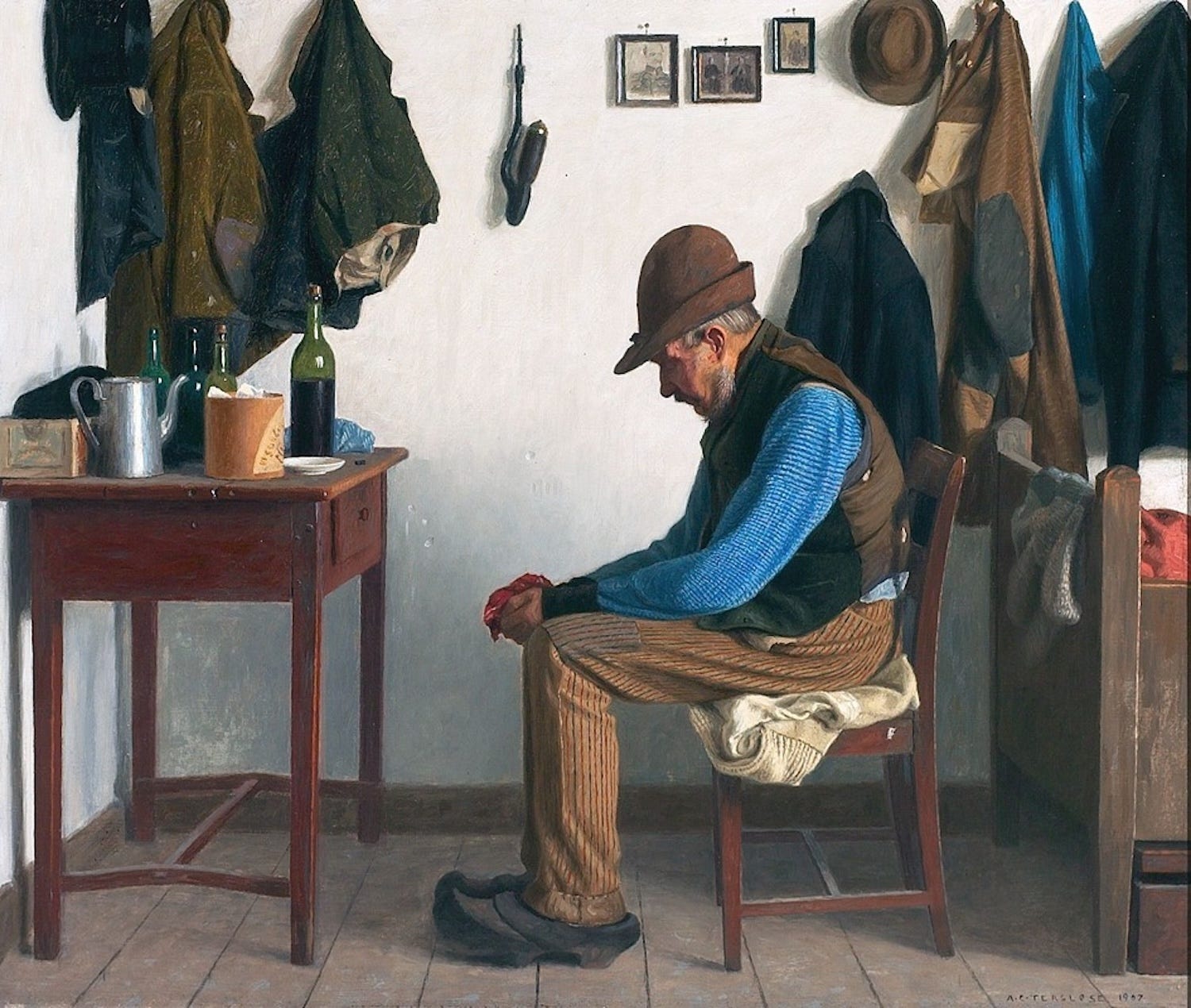
(1) What is one area of your life where you're holding back to avoid the discomfort of growth?
(2) What old story do you tell yourself about your limits? Is that story still true?
(3) Where is your “Jonah Complex” lurking? Where in your life are you settling or avoiding greatness?
—
Thank you for reading/listening; I hope you found something useful.
Until next time, be wise and be well.
J.W.
P.S. If you enjoyed it, consider leaving a rating on Apple Podcasts or Spotify.