

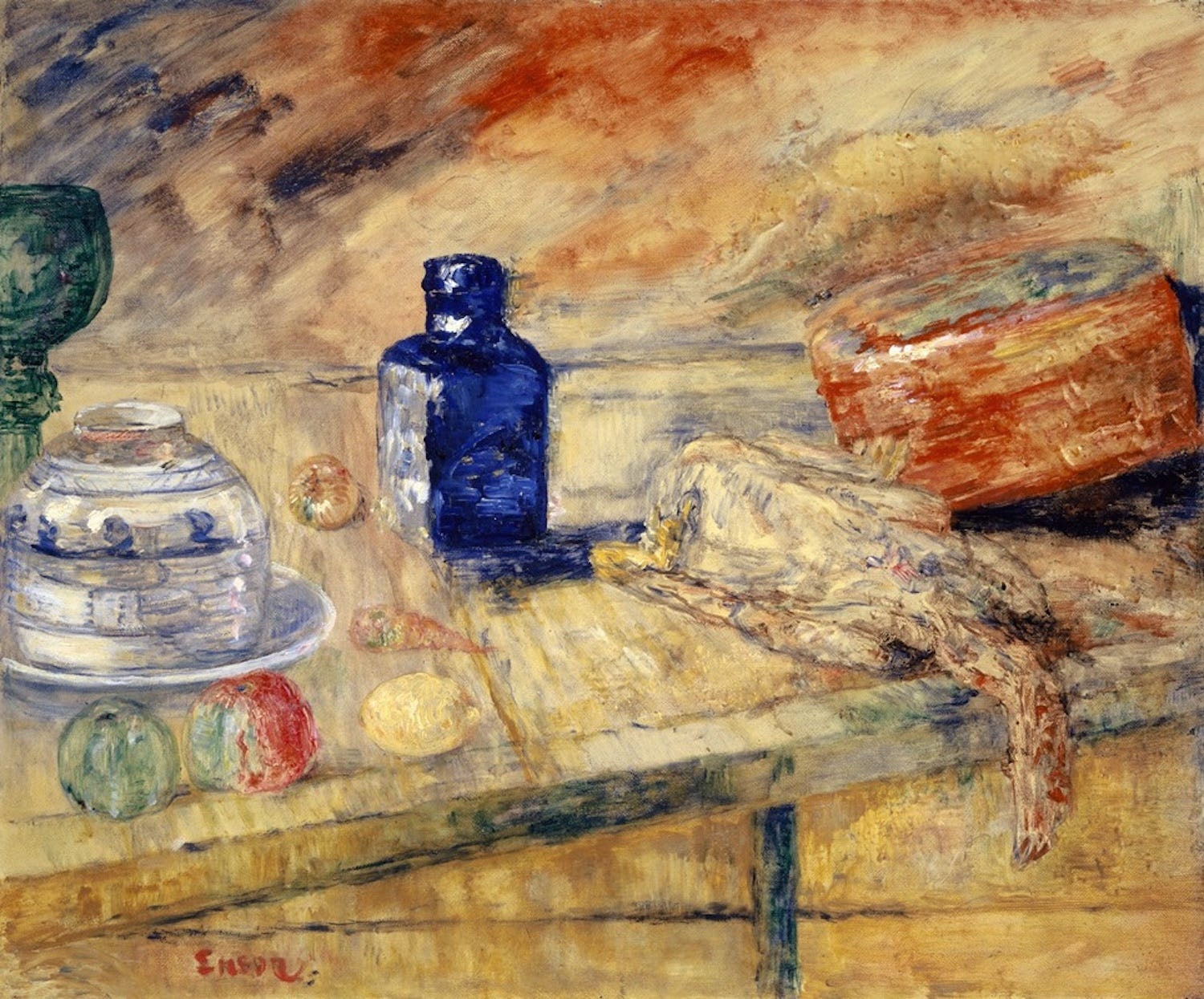
💀 Dying Every Day
Dying Every Day (Stoicism in a Year) is a podcast by the Perennial Leader Project. Each episode turns a selected passage from Stoic philosophy into a guided meditation designed to help you (and me) learn how to live.
Listen on Apple Podcasts, Spotify, or YouTube
Marcus Aurelius on obstacles and setbacks
Welcome back to Dying Every Day (Stoicism in a Year). This is Day 128.
A tree does not curse the wind that bends it—it deepens its roots. The river does not rage against the rock—it learns to carve around it. Nature transforms resistance into movement, turning every obstacle into form.
The Roman emperor Marcus Aurelius saw that human beings, too, can practice this art. He wrote to himself,
Just as nature takes every obstacle, every impediment, and works around it—so too a rational being can turn each setback into raw material and use it to achieve its goal. The impediment to action advances action. What stands in the way becomes the way.
One of the most powerful ideas in Stoic philosophy is that every obstacle hides a potential benefit, and every setback offers a chance to cultivate virtue. Life naturally resists—that’s its nature. But resistance isn’t the enemy; it’s the teacher. The Stoic learns to adapt to the flow of reality, transforming challenges into discipline and frustration into fuel.
Marcus’ perspective encourages us to respond to the world not with complaints but with creativity, asking ourselves how this situation can contribute to our growth. The obstacle then becomes an arena for developing virtue.
Modern thinkers echo this ancient truth. Viktor Frankl, writing after the Holocaust, observed,
When we are no longer able to change a situation, we are challenged to change ourselves.
In that shift—from resistance to response—lies human dignity.
Albert Ellis, who founded Rational Emotive Behavior Therapy, identified a similar principle in psychology: that suffering frequently stems not from external circumstances, but from the belief that those circumstances shouldn't be there. Once we let go of that demand, the obstacle no longer controls us.
The point here is that a sculptor cannot shape marble without friction. The musician cannot master her craft without mistakes. The soul cannot mature without meeting resistance. What impedes us, when seen rightly, becomes the raw material for growth.
When the path narrows or becomes difficult to cross, remember to stop and pause. The Stoic approach is not to ask, “Why me?” but to ask, “What now?” Their typical response isn't to retreat but to adapt to the situation, much like how nature overcomes challenges.
In the end, this teaching is not merely about endurance—it’s about transformation. What stands in the way becomes the way, not because obstacles disappear, but because we change our relationship to them. Life, seen through this lens, becomes a continuous act of creative adaptation—a collaboration with fate itself.
Reflection Prompt
Consider reflecting on or journaling about setbacks. Ask yourself, “What obstacle am I facing that might provide opportunities for growth or insight?” Alternatively, consider, “How can I flow with this challenge instead of fighting it, like a river flows around a rock?”
Listen on Apple Podcasts, Spotify, or YouTube
—
Thank you for reading/listening; I hope you found something useful.
Until next time, be wise and be well.
J.W.
P.S. Catch up on recent (and past) meditations in the archive!
Thank you.
The philosophy is so logical, useful and clear.
It would be lovely to know it was taught in schools.