

🖼️ Monday Muse
The “Monday Muse” is a weekly collection of reminders, insights, and maxims on the art of living. The term “muse” has two meanings: (1) a state of deep thought; and (2) a source of inspiration. May the following (in a small way) be a source of contemplation and wisdom to live your highest good.
📌 Perennial Reminder(s)
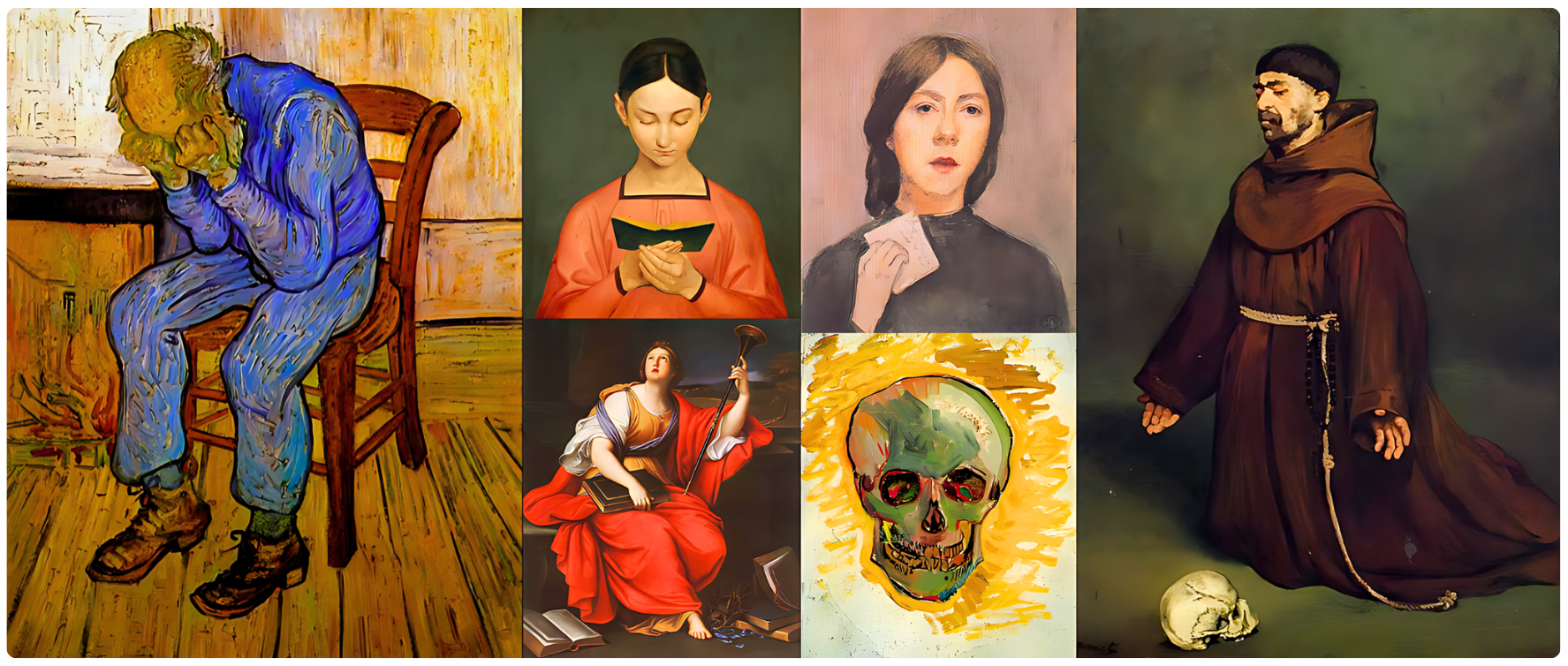
The English philosopher and author Simon Blackburn (1944—) on learning philosophy:
How is philosophy learned? A better question is: how can thinking skills be acquired? The thinking in question involves attending to basic structures of thought. This can be done well or badly, intelligently or ineptly. But doing it well is not primarily a matter of acquiring a body of knowledge. …
To process thoughts well is a matter of being able to avoid confusion, detect ambiguities, keep things in mind one at a time, make reliable arguments, become aware of alternatives, and so on.
To sum up: our ideas and concepts can be compared with the lenses through which we see the world. In philosophy, the lens is itself the topic of study. Success will be a matter not of how much you know at the end, but of what you can do when the going gets tough: when the seas of argument rise, and confusion breaks out. Success will mean taking seriously the implications of ideas. …
Source: Think: A Compelling Introduction to Philosophy
📜 Perennial Maxim(s)
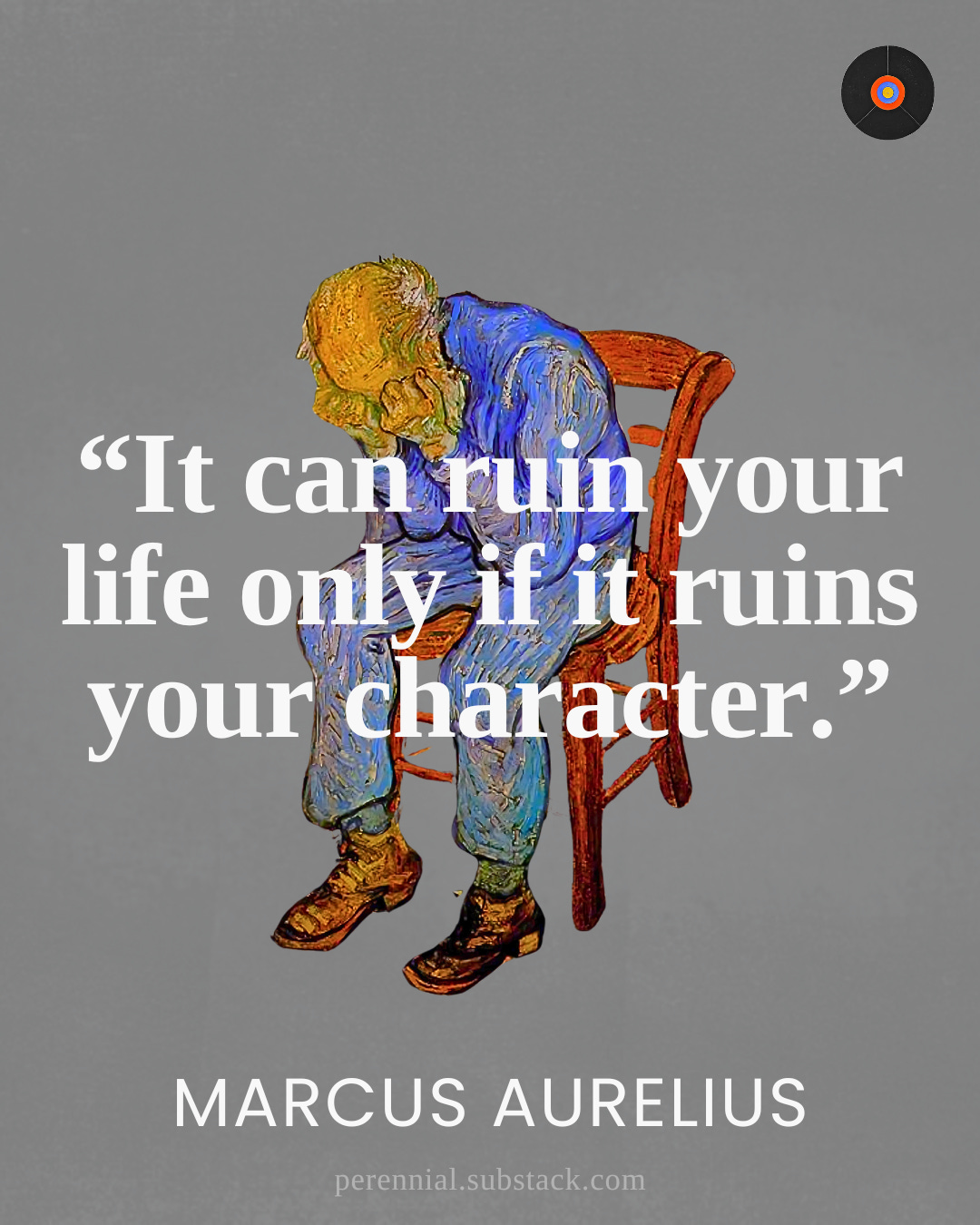
The Roman emperor Marcus Aurelius (121—180) on character:
Follow: Instagram | Youtube | Notes
💡 Perennial Insight(s)
Pope Francis (1936—2025) on holy indifference:
Wealth assures you of nothing at all. On the contrary, when the heart feels rich, we become so self-satisfied that there is no room for the Word of God, for loving our brothers and sisters, or for finding pleasure in the most important aspects of life. The heart is stripped of the greatest treasures of all. This is why Jesus says that blessed are those who are poor in spirit, those who have poverty in their hearts, for in those situations, the Lord can enter with His perennial newness.
This spiritual poverty is closely linked to what St. Ignatius of Loyola calls ‘holy indifference,’ which leads us to inner freedom. As he says, ‘It is necessary to make ourselves indifferent to all created things, as much as we are able, so that we do not necessarily want health rather than sickness, riches rather than poverty, honor rather than dishonor, a long rather than a short life, and so in all the rest.’ […]
Source: A Good Life
—
Thank you for reading; I hope you found something useful.
Until next time, be wise and be well,
J.W. Bertolotti
P.S. If you’re interested in becoming a member but cannot afford it, feel free to request a complimentary membership or use this discount link.


