

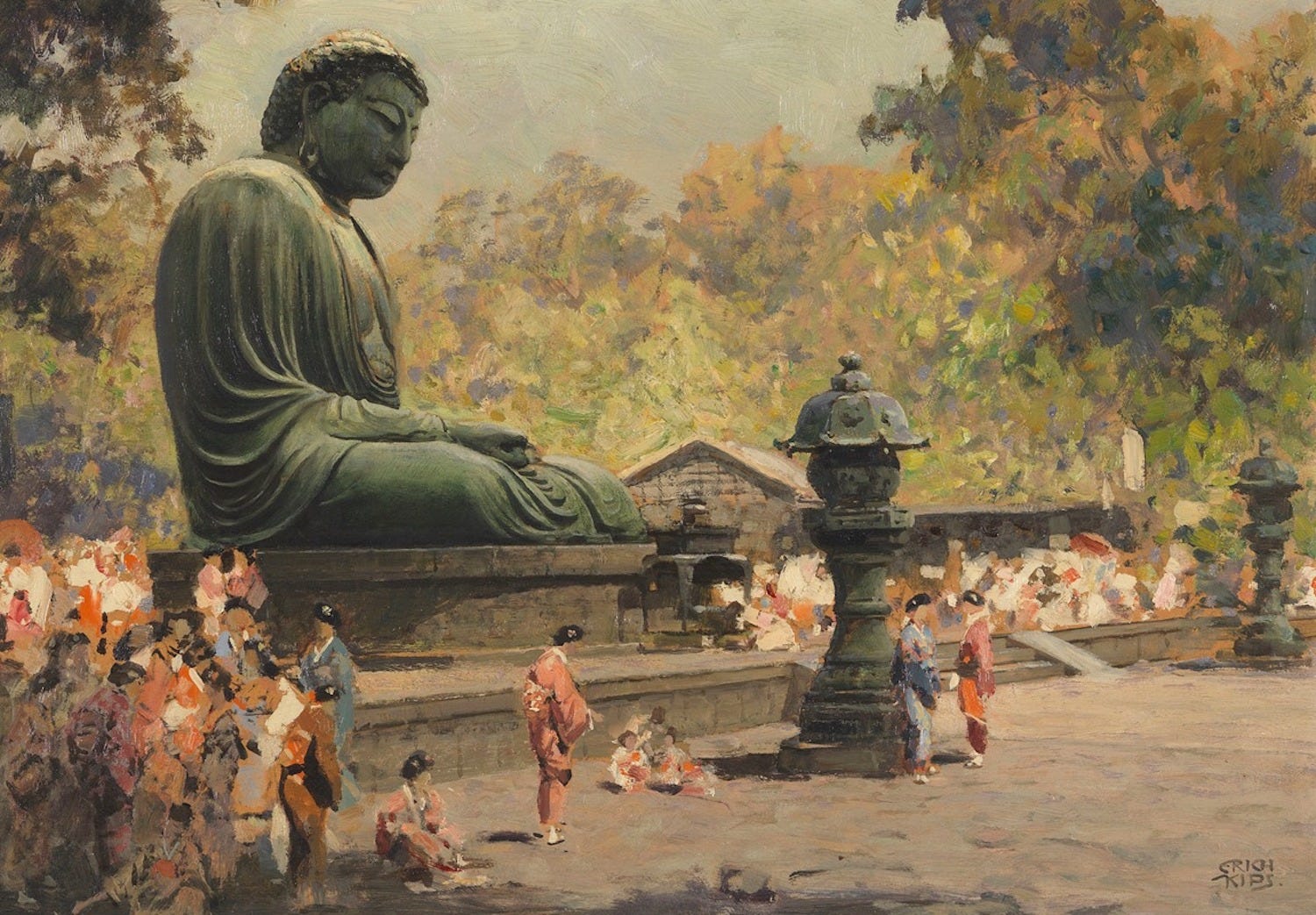
Reading & the Good Life
Join the conversation! Every Friday at Noon EST, Perennial Meditations readers are welcome to gather for Reading & the Good Life (Register here), a casual space for connection, contemplation, and conversations on the art of living.
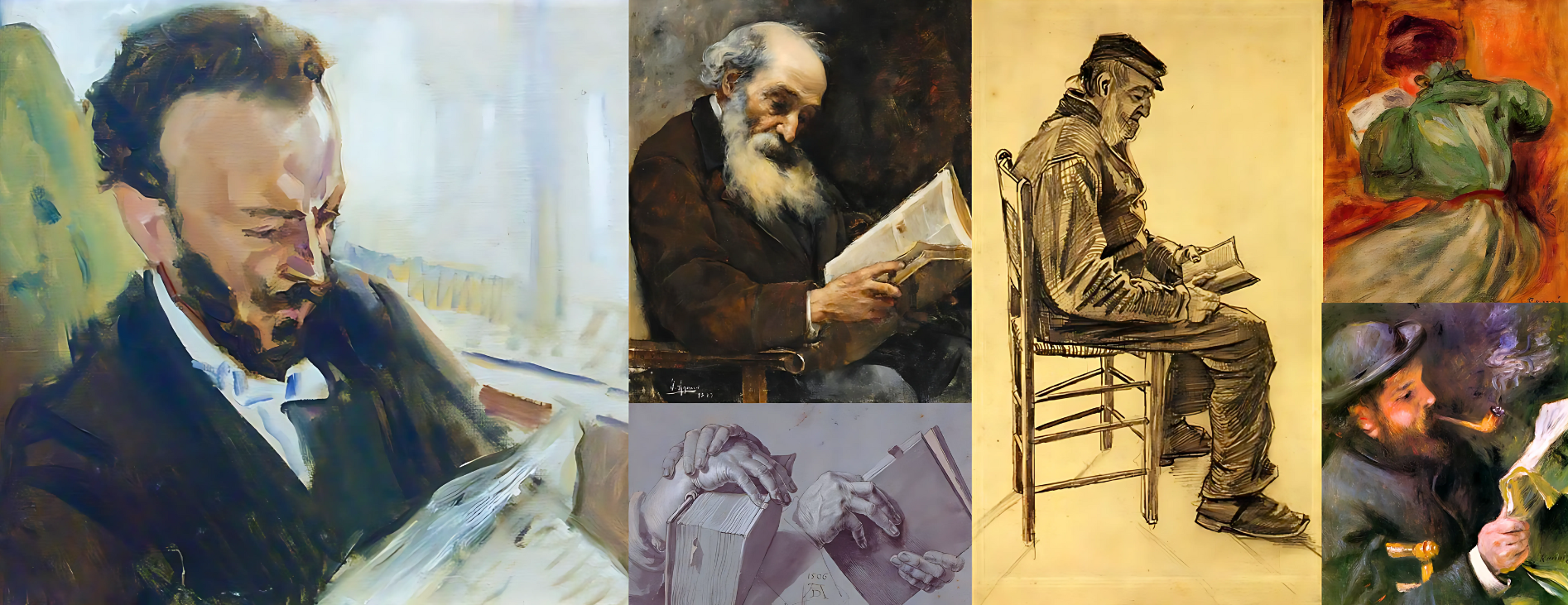
Who was the Buddha?
The Buddha (c. 450 BCE) is the individual whose teachings form the basis of the Buddhist tradition. These teachings, preserved in texts known as the Nikāyas or Āgamas, concern the quest for liberation from suffering. While the ultimate aim of the Buddha’s teachings is thus to help individuals attain the good life, his analysis of the source of suffering centrally involves claims concerning the nature of persons, as well as how we acquire knowledge about the world and our place in it. […]
Source: Stanford Encyclopedia of Philosophy
—
If you’re new to Buddhist Wisdom or want to learn more, I encourage you to check out my conversation with the Buddhist teacher Kevin Griffin (author of Living Kindness), which touches on The Four Noble Truths.
Dear Readers,
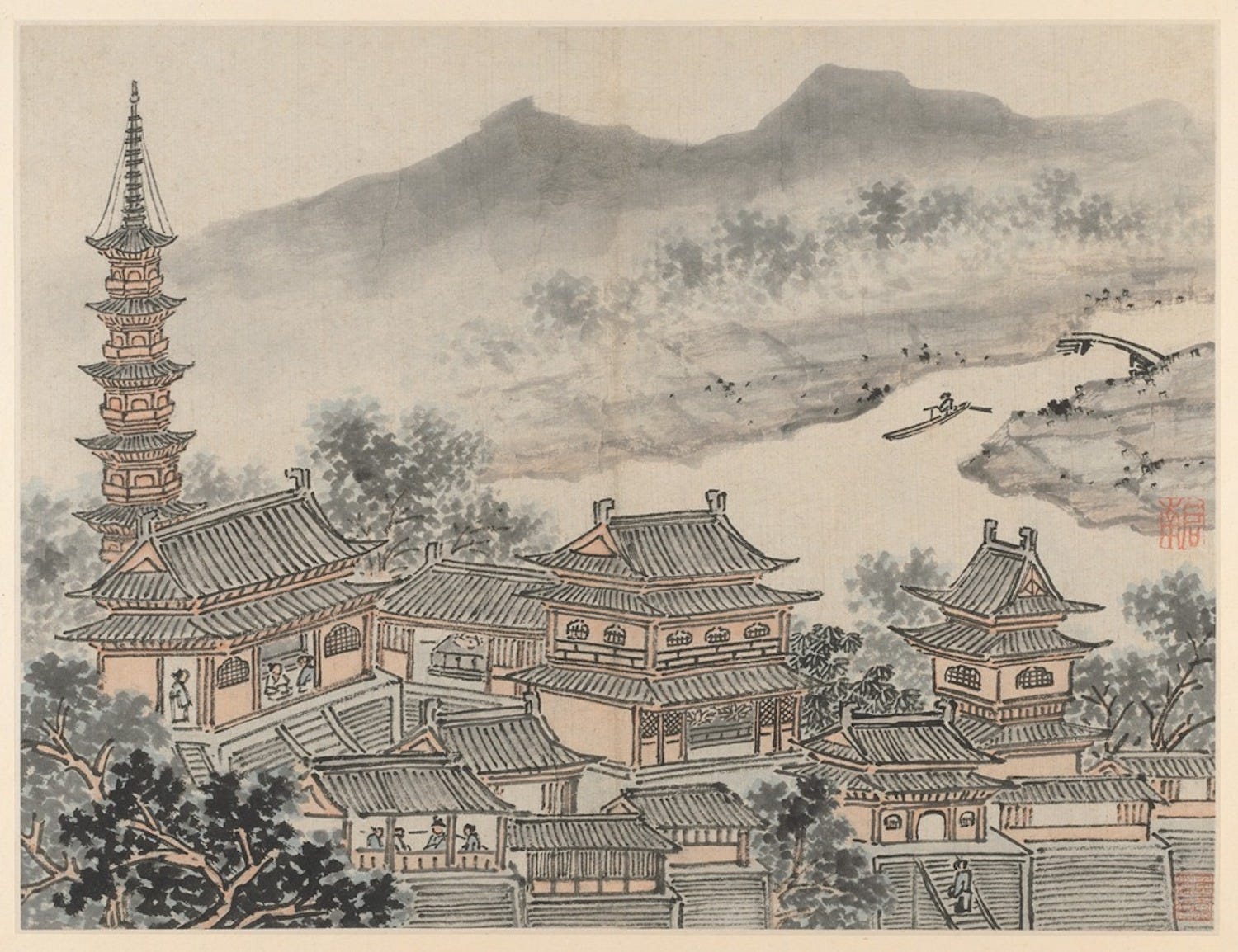
This Friday, we begin a search for Buddhist wisdom through the Dalai Lama’s book The Four Noble Truths. The passages below will help guide the discussion at our next meetup (Register here). As you read these passages, consider reflecting on the following questions:
(1) How can you begin to embody these lessons in daily life?
(2) What might stand in the way of implementing these ideas?
(3) How can the following insights help you to live the “good” life?
Whenever I introduce the Buddhist teachings, I make a point of presenting them in terms of two basic principles. The first of these is the interdependent nature of reality. All Buddhist philosophy rests on an understanding of this basic truth. The second principle is that of non-violence, which is the action taken by a Buddhist practitioner who has the view of the interdependent nature of reality. Non-violence essentially means that we should do our best to help others and, if this is not possible, should at the very least refrain from harming them. […]
— Dalai Lama, The Four Noble Truths
