

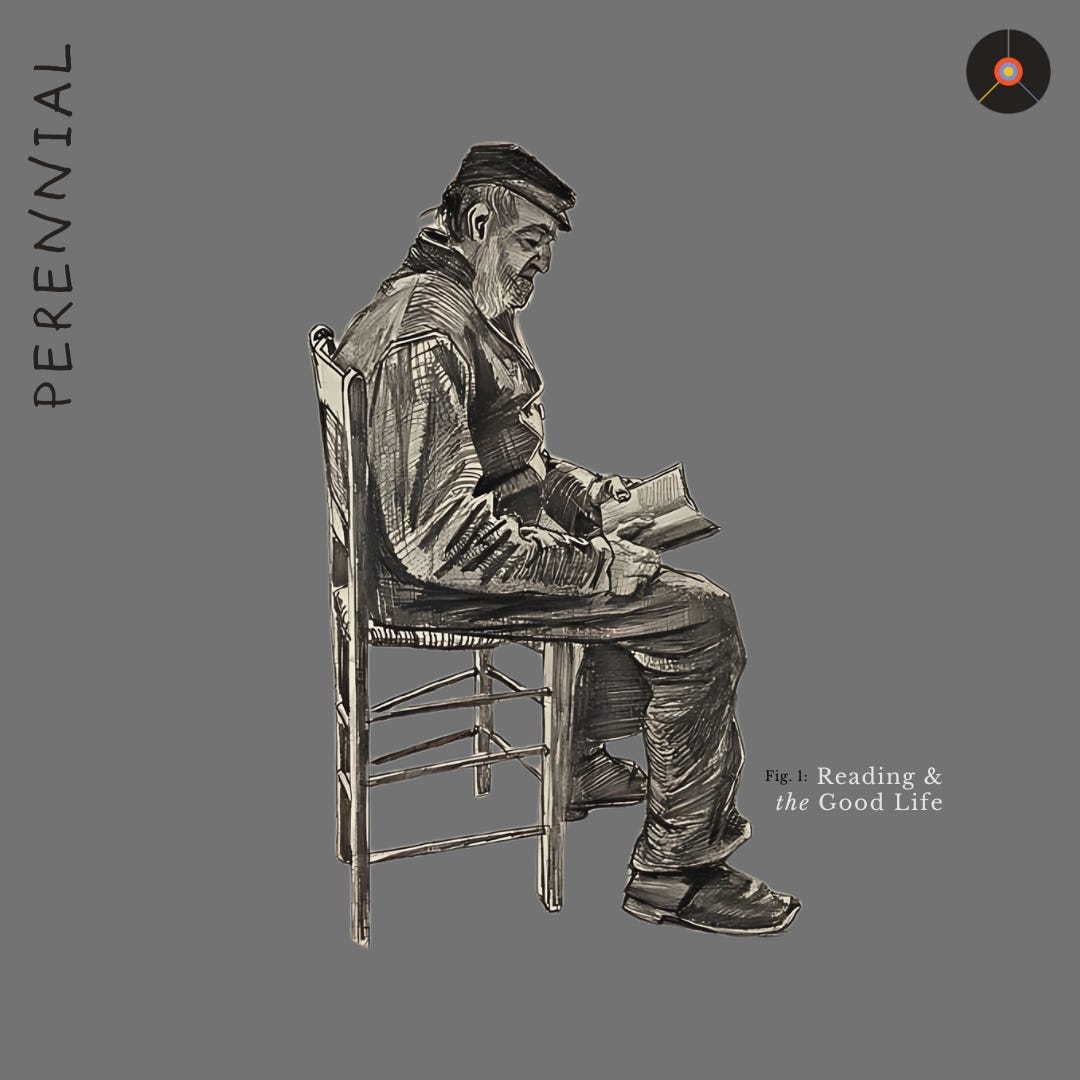
Reading & the Good Life
Join the conversation! Every Friday at Noon EST, Perennial Meditations readers are welcome to gather for Reading & the Good Life (Register here), a casual space for connection, contemplation, and conversations on the art of living.
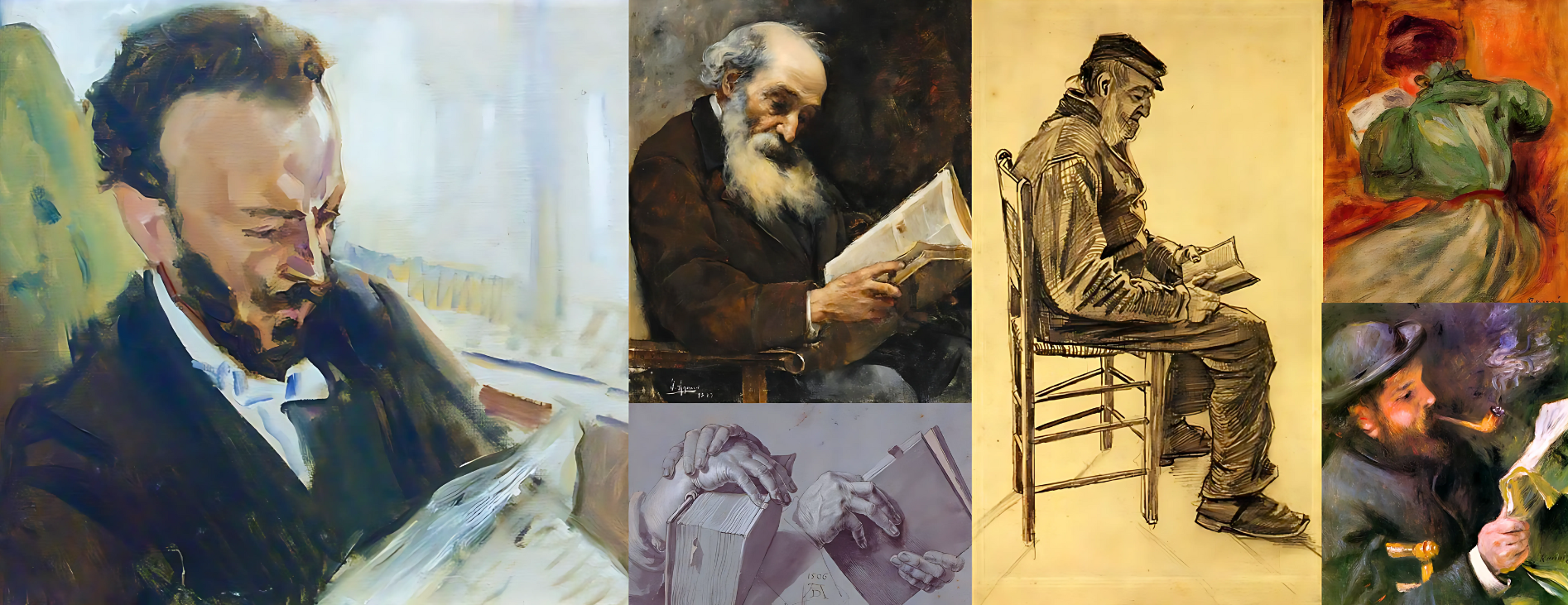
Who is Epicurus?
Epicurus's (341–270 B.C.E.) philosophy was a complete and interdependent system that involved a view of the goal of human life (happiness resulting from the absence of physical pain and mental disturbance). Epicurus believed that, based on a radical materialism that dispensed with transcendent entities such as the Platonic Ideas or Forms, he could disprove the possibility of the soul’s survival after death. He regarded the unacknowledged fear of death and punishment as the primary cause of anxiety among human beings and anxiety, in turn, as the source of extreme and irrational desires. The elimination of the fears and corresponding desires would free people to pursue the pleasures, both physical and mental, to which they are naturally drawn and to enjoy the peace of mind consequent upon their regularly expected and achieved satisfaction. …
Epicurus was aware that deeply ingrained habits of thought are not easily corrected, and thus, he proposed various exercises to assist the novice. His system included advice on the proper attitude toward politics (avoid it where possible) and the gods (do not imagine they concern themselves about human beings and their behavior). Although the overall structure of Epicureanism was designed to hang together and to serve its principal ethical goals, there was room for a great deal of intriguing philosophical arguments concerning every aspect of the system, from the speed of atoms in a void to the origin of optical illusions. […]
Source: Stanford Encyclopedia of Philosophy
Dear Readers,
This Friday, we will continue our exploration of Epicureanism by reading The Art of Happiness, a collection of writings by the ancient Greek philosopher Epicurus. At our meetup, we'll discuss the passages below (Register here). As you read these passages, consider reflecting on the following questions:
(1) How can you begin to embody these lessons in daily life?
(2) What might stand in the way of implementing these ideas?
(3) How can the following insights help you to live the good life?
He [Epicurus] saw that men had on hand almost all that was needful for their living, that their lives were secured in so far as this was possible, that many flourished in conditions of wealth, preferment, and repute or were noted for the goodly name of their children. And yet privately their hearts were not the less troubled. By no will of their own they bedeviled themselves without ceasing, being compelled to vent their ugly moods in violent resentments. He then understood that it was the human vessel itself which created the evil and that everything gathered into it from without, even good things, was defiled by the vessel’s own imperfection. […]
— Lucretius, via The Art of Happiness (Introduction, Part VI)
