

Greetings Readers!
Pardon the interruption of our series — Letters to a Young Seeker. Today’s meditation is from our Happiness & the Meaning of Life course. Specifically, this meditation turns to Aristotle for lessons on flourishing in the modern day!
***Join us for our end-of-course discussion next Saturday (14 Oct at Noon EST) for an engaging chat on the art and science of living well (Register here).
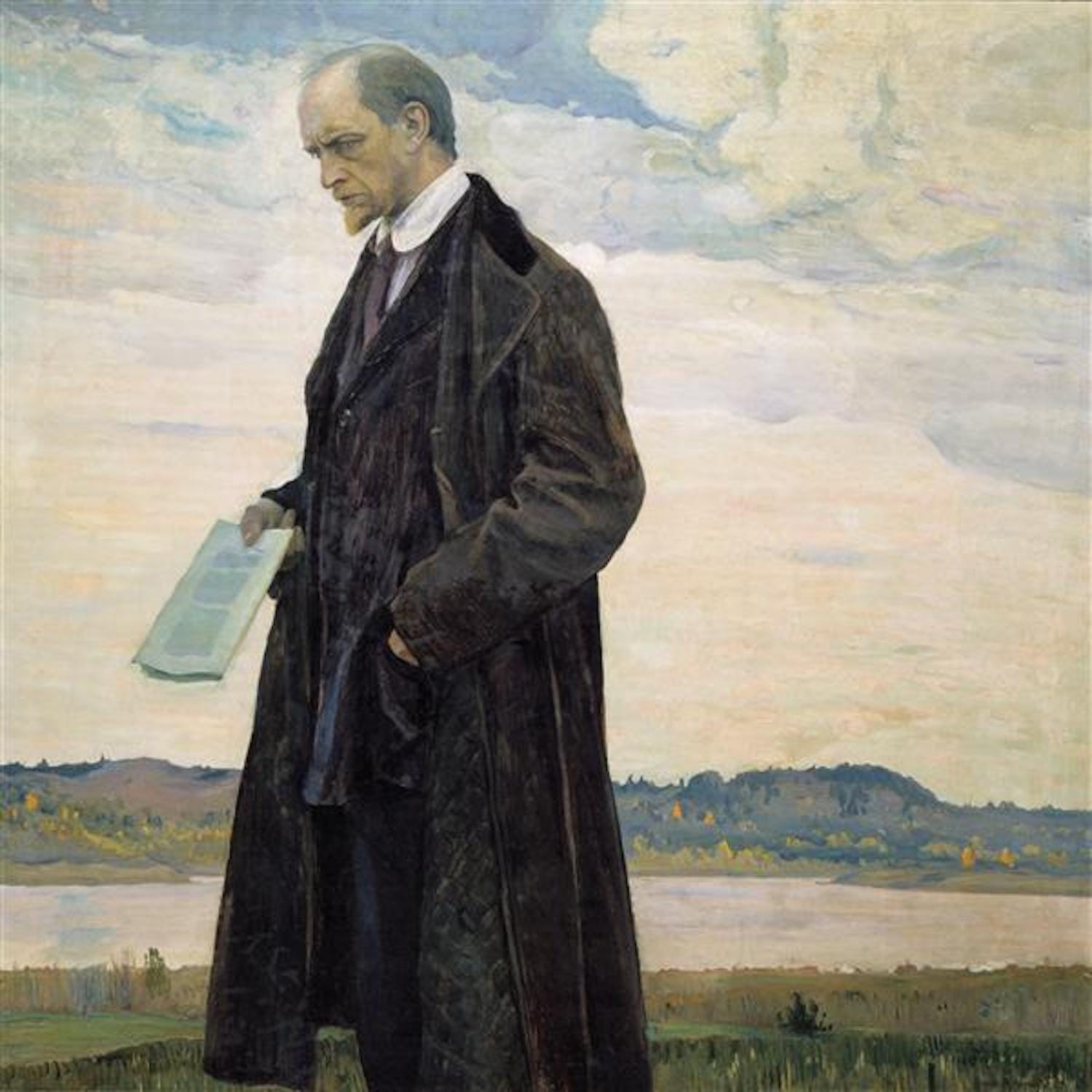
“Every art and every discipline, and likewise every action and every choice, seems to aim at some good. That is why people have rightly proposed the good to be what everything aims at....”
— Aristotle, Nicomachean Ethics
Our previous meditation discussed The Art (and Science) of Well-Being. Today, we look to Aristotle to learn about habits and the highest good.
In his Nicomachean Ethics, Aristotle explores the goal of life,
Now, if our actions have a goal that we wish for because of itself and we wish for everything else because of it (rather than always choosing because of some further thing, an infinite regress that would make desire empty and futile), clearly this goal would be the good and the best. Knowing it would surely have a great impact on our lives since we would be like archers with a target and more likely to hit the mark.
Like Seneca (and others), Aristotle believes it is essential to know what we aim at. Or, as he put it, "What is the highest good that we aim at in our actions?" According to Aristotle, there is general agreement on what to call it since ordinary and sophisticated people say it is happiness (living well and doing well). However, interestingly, different from other aims, happiness is the final goal or an end unto itself.
Aristotle explains,
There are some things we choose because of something else, for example, wealth, flutes, and instruments in general. So, although there are many goals, not all of them are final. Now, the best is evidently something final. So, if only one goal is final, it will be the good we seek, and if several are final, the most final of them will be the good. In our view, a goal pursued for itself is more final than a goal pursued because of another thing, and what is never chosen because of something else is more final than the things chosen for themselves and because of it.
We call something final (or highest), which is always chosen for itself and never because of another thing. Happiness is precisely this sort of thing. We choose it always because of itself and never because of another thing. After making the point of happiness being the highest good, Aristotle turns to the actions (or habits) that lead to happiness.
