

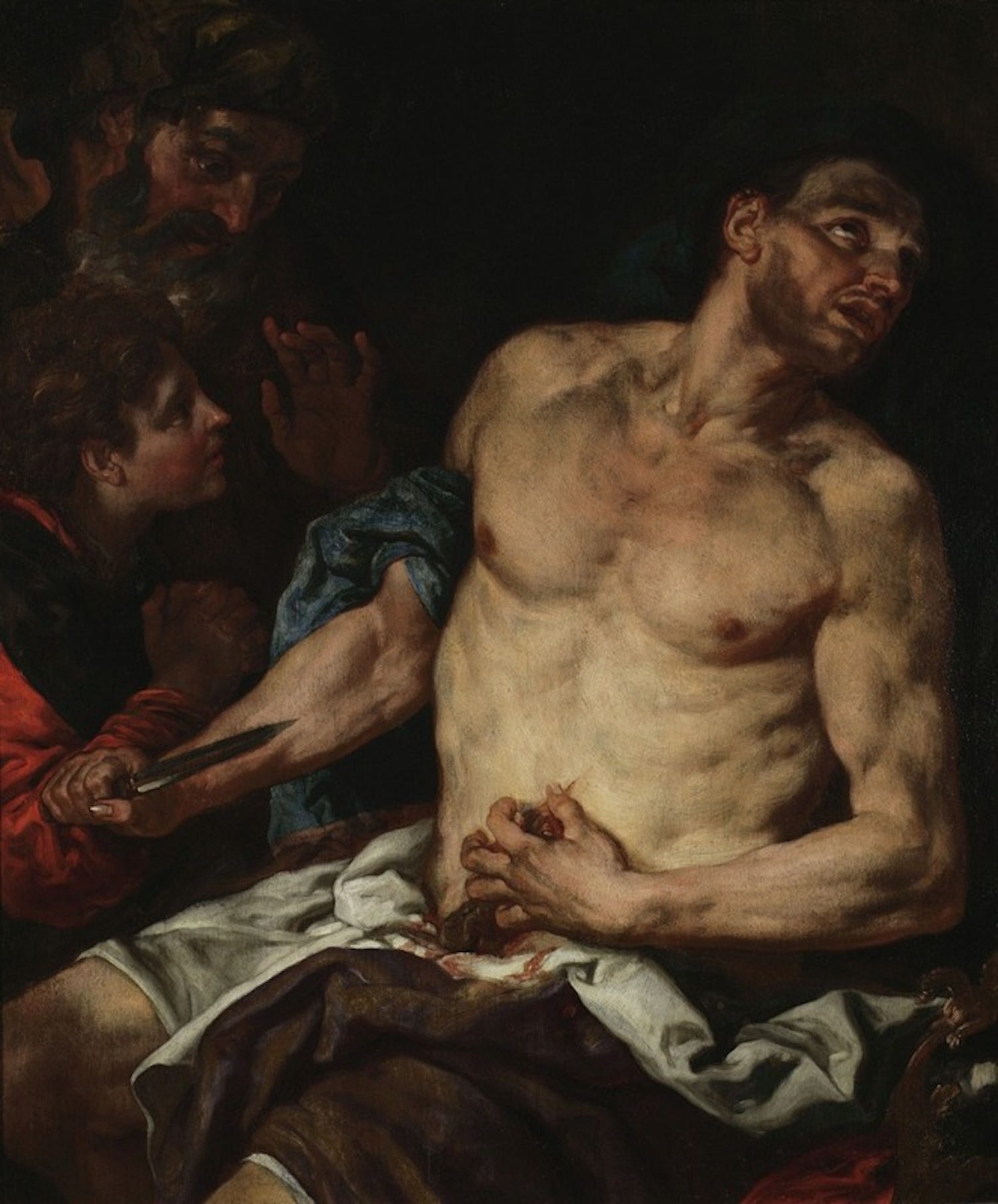
💀 Dying Every Day
Dying Every Day is a podcast by the Perennial Leader Project. Each episode turns a selected passage from Stoic philosophy into a guided meditation designed to help you (and me) learn how to live.
Listen on Apple Podcasts, Spotify, YouTube, or wherever you listen...
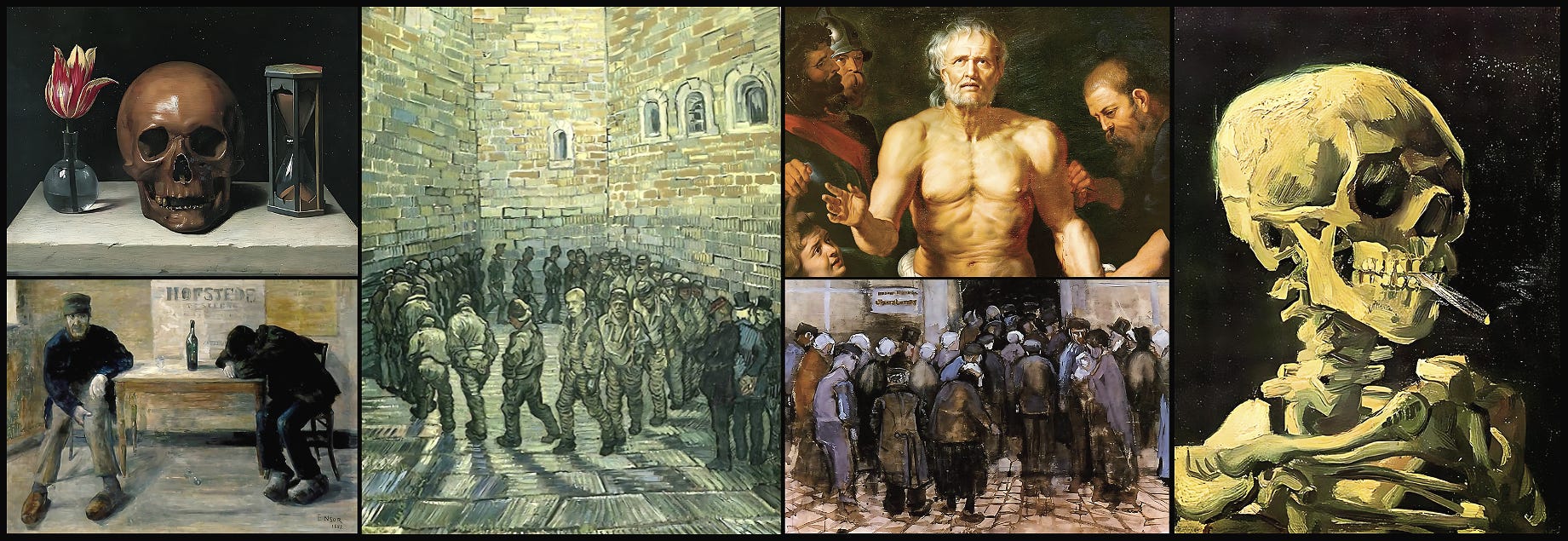
Courage in Practice—Cato the Younger on Being Incorruptible
Welcome to Dying Every Day. This is Day 152.
There is a man almost no one talks about anymore, and a small detail in his story that is hard to forget once you have noticed it.
His name was Cato—Cato the Younger. He lived in the final decades of the Roman Republic, when the whole system was rotting from within. Bribery was everywhere. Everyone was on the take. Power went to whoever could buy the most votes. And Cato was the one man who would not play along.
A group of candidates for office—ambitious, self-interested men, exactly the sort you would expect to cheat—made a pact among themselves. Each would put up a large sum of money, and anyone caught bribing voters would forfeit it to the others. An honor system among people with very little honor. And they needed someone to hold the money: someone who could not be leaned on, someone who could not be bought.
They chose Cato.
Think about that for a moment: the most corrupt men in Rome, searching for the one person they could trust with their bribery fund, and arriving without dispute at the same name. That is not a reputation a person can fake. You do not talk your way into being the man the corrupt trust to protect them from each other. You have to actually be him.
Which raises a question worth asking: could anyone say that about you? Is there anyone who would hand you the money?
The bribery fund was not an isolated moment.
It was the pattern of Cato’s life.
As a young man managing the Roman treasury, Cato went after the clerks, the permanent staff who had been quietly robbing the state for years. He noticed. He cared. He exposed them and removed the worst of them. As a tribune, he prosecuted bribery without exception, sparing only his own brother-in-law, and only because prosecuting family would have looked like a personal vendetta rather than justice.
He could have held high office whenever he wanted, easily enough. All he had to do was play the game everyone else was playing. Instead, he rejected the easy paths and chose the hard ones—seeking office, as Plutarch puts it, at his peril, in order to defend the liberties of the state. He was not looking to gain from the role. He was, in Plutarch’s phrase, conferring a favor on it—bringing more integrity to the office than the office could ever return to him.
Seneca, a century later, would point to Cato again and again as proof that the Stoic sage was not just a beautiful idea but a man who had actually walked the earth.
But here is the question the story leaves open. Where did it come from—this incorruptibility so complete that it became a kind of proverb. Because you cannot reach a man through wants he does not have, or fears he has already set down. Something had been done, or built, or practiced, that placed Cato beyond the reach of the levers that move most people. What was it?
The answer lies in a book Cato loved and read famously on the last night of his life. Plato’s Phaedo.
The Phaedo is Plato’s dialogue on the soul, set in the hours before Socrates’ own death, as he explains to his friends why a philosopher need not fear dying. At its center is an idea the Greeks called the tendance of the soul—the care of the soul, above everything else. The philosopher, according to Socrates, spends his life working to free the soul from the distortions of the body—from the appetites and fears and cravings that pull a person away from what is true and good.
Think about what the body wants: comfort, safety, pleasure, survival. Each of those wants is a handle—something another person can take hold of, a lever, a briber, or a tyrant can pull. Someone ruled by the body can always be reached, because there is always something they want badly enough, or fear badly enough, to make them bend.
But the person who has cared for the soul—who has, through long practice, made the integrity of that soul matter more than the comfort or even the survival of the body—offers nothing to take hold of.
You cannot bribe a man who wants nothing you can offer.
You cannot threaten a man who fears nothing you can take.
That is what made Cato incorruptible: not willpower, not stubbornness, though his enemies certainly called it that. It was an entire orientation of the self—the conviction, drawn from the Phaedo and lived out over a lifetime, that the soul’s integrity is the one thing worth protecting, and that everything the body wants is negotiable beside it.
The corrupt men of Rome handed Cato their money because they understood, perhaps without being able to say it, that he was playing a different game than they were. They were trying to win. He was trying to remain whole. And a man trying to remain whole cannot be bought, because the only payment that would tempt him is the one thing a bribe can never include: the integrity he would have to give up to accept it.
Now, you and I are almost certainly never going to face Cato’s situation. No one is offering you the treasury of Rome. No general is marching on a Republic you have sworn to defend.
But the shape of the test is the same at every scale. There is always a path where going along is easier—where looking away pays better than speaking up, where the bribe is small enough to seem like nothing, where the compromise is so minor that taking it feels less like surrender and more like good sense.
And the question underneath it never changes: “Is there something in you that cannot be bought?”
Some integrity you have cared for so steadily, over so long, that it has quietly become—like Cato’s— beyond the reach of the things that move other people?
That is not built in the moment of testing. It is built long before, in the unglamorous, daily tendance of the soul—the small, repeated choosing of what is right over what is easy, until one day the choosing is no longer a struggle but simply a fact about who you are.
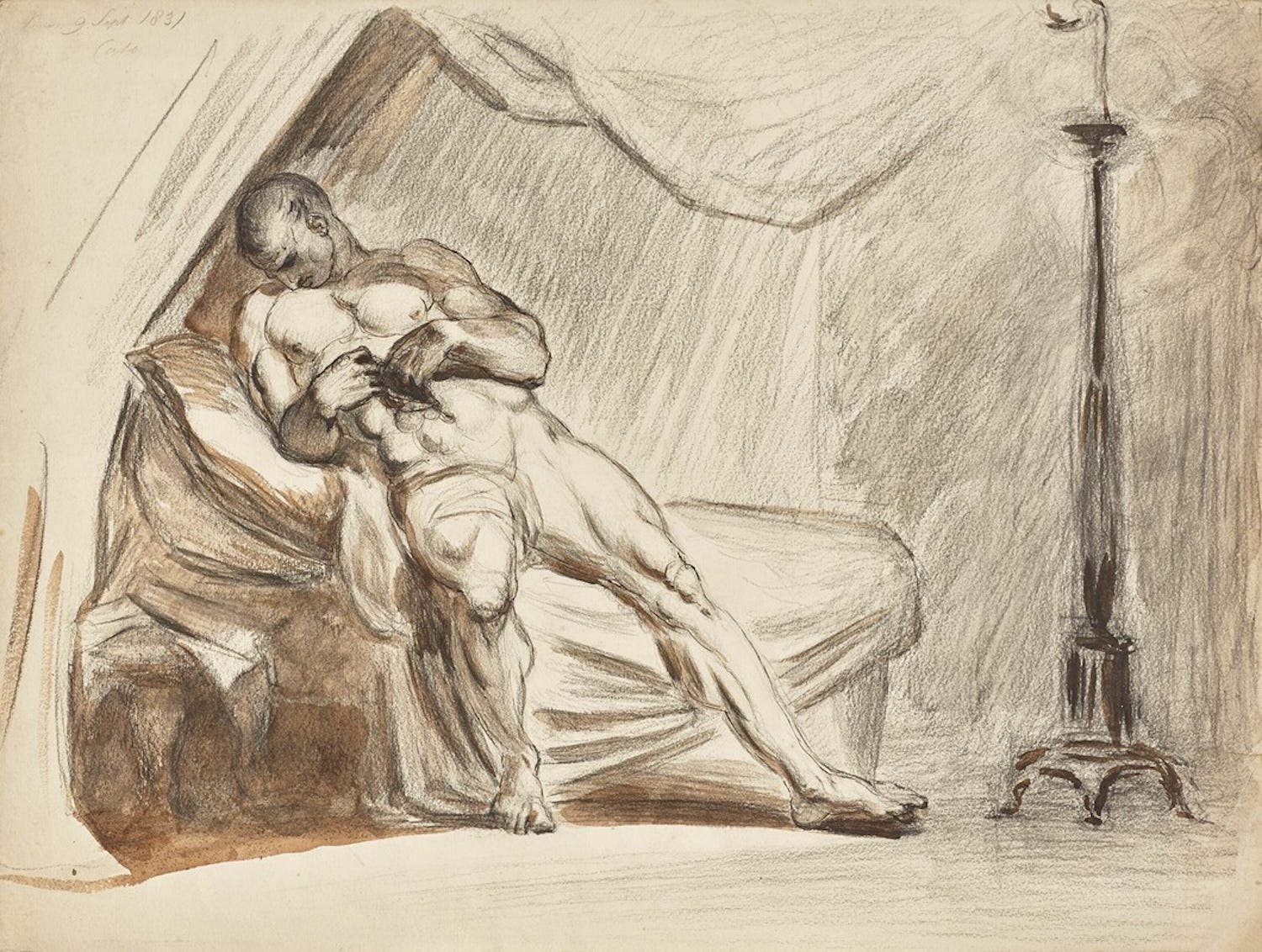
Daily Practice
Today, look for the small bribe. Not the dramatic one—the small one.
The minor compromise that would make your day a little easier. The truth that would be more convenient not to tell. The shortcut that costs only a little integrity and pays in comfort, or approval, or peace. They are everywhere, and most are so minor that taking them feels like nothing at all.
Find one. And refuse it—not because the stakes are high, but precisely because they are low. Cato’s incorruptibility was not forged in great crises. It was built in a thousand small treasuries, a thousand ordinary days, each one a quiet choice to stay whole when bending would have been easier.
The soul is tended in small things.
And it is lost in them too.
Listen on Apple Podcasts, Spotify, YouTube, or wherever you listen.
—
Thank you for reading/listening; I hope you found something useful.
Until next time, be wise and be well.
J.W.
P.S. Catch up on recent (and past) meditations in the archive!
This was an excellent article. I learned a lot. One question or comment I would make is towards the end of the article, in the paragraph where you talk about daily practice: “today, look for the small bride. Not the dramatic one – the small one. The minor compromise that would make your day a little easier. The truth that would be more convenient not to tell. The shortcut that cost a little only an integrity and pays in comfort, or approval, or Peace….” my suggestion would be to give some examples. Thanks so much, Josh.